Banana bread is one of the several varieties of bread that exist world wide. It isn’t peculiar to any country. It is born out of the quest by food processors, chefs, pastry makers and bakers to try new recipes in bread making aside the conventional use of wheat floor as the base floor materials. Overtime, Bakers have also tried using other flours such as plantain flour, cassava flour or a combination of either of them with wheat flour in certain ratio as a composite for bread making but it hasn’t really given the best qaulity of results because the gluten content of other cereal grains flour and tuber flours are quite low compared to wheat flour. It is also ideal to note that the best wheat flour for bread making is the “Hard wheat” this is because it contains higher gluten value than the “soft wheat” while the later is more ideal for the Production of cookies.
Bread is a product of fermentation using yeast which breaks down the carbohydrates chains into alcohol, water and a gas, Carbon (IV) oxide which is responsible for the leavening (rising Properties) of bread products. In some other flour- based baked products such as dough nuts, buns, egg rolls, cakes cookies, etc, baking soda or baking powder is added to bring about leavening through the fermentation processes. The specie of yeast mostly used in bread Production is saccharomycescerevicae. It is this micro organism that facilitates the farmentation.
Just like any other type of bread, Banana bread is very tasty and unique. It is a little more nutritious than the conventional bread because of some vitamins and minerals contained in the banana. During the Production of banana bread, Baking soda is mostly used, this is because, it is a specialty bread made with composite base materials (wheat flour + mashed riped banana) and for the fact that in most cases, it is produced for home use. Oftentimes, it is Produced for commercial purposes based on demand. Although yeast can be used to achieve leavening in banana bread, it is more cost effective to use baking soda to achieve the same result.
Making of Banana bread isn’t quite hard provided that the simple steps involved are carefully followed and serious attention paid to details during the addition of all needed ingredients and mixing properly done so as to ensure evenly distribution of the ingredients. The ingredients needed for the Production of Banana bread are listed below.
Ingredients or recipes used in making Banana Bread.
1. 2 eggs
2. A bunch of riped Banana.
3. 20cl of vegetable oil. Or 50g of butter/margarine
4. 1 teaspoonful of Baking soda.
5. 50g of granulated sugar.
6. Chocolate chips.
7. A pinch of salt.
8. 25g of skimmed milk powder
9. 200g of wheat flour.
Now that I have listed the needed recipes/ingredients, I will go ahead to list the procedures involved in making banana bread. Like I earlier said, the procedures are not complex, it is just technical and so requires the use of ingredients in adequate and specified proportions in order to achieve the best results. The procedures are listed below;
Procedures for making Banana Bread.
a. Wash, peel, and mash or blend the riped Banana using hand in a bowl or a blending machine. Then, empty the mashed Banana into a thoroughly washed bowl. (In a case where a blending machine is used).
b. Add the sugar, the already beaten or whipped egg, vegetable oil/butter/margarine and the skimmed milk powder. Thereafter, mix them together using your hand or a spoon. If you are using your hand to mix, be sure to wash your hand thoroughly, and/or wear a nylon glove. Mix until you get a wet batter.
C. Sieve and pour in the flour, Baking soda, and salt. Thereafter, mix the ingredients all together, continue mixing into a batter.
d. Get a Baking pan, evenly oil the pan with vegetable oil or use a parchment paper to cover the pan.
e. Pour in the batter into the pan.
f. Sprinkle the chocolate chips on top of the batter surface.
g. Set your oven at about 180°c, then, gently drop the pan into the already pre-heated oven and bake until a slightly brown colour is achieved. This should take between 60-90minutes.
h. Bring out the pan from the oven, then quickly remove the already baked bread from the pan, cool it and then serve with your desired soft drink or yoghurt.
According to USDA to United States Department of Agriculture (USDA) the amount of nutrients per 100g of Banana bread includes the following; Dietary Fibre= 1.1g, Iron= 7%, Vitamin C= 20%, Calcium= 2% , Vitamin B6= 10% proteins= 4.3g Calories =326kcal, energy=1360kj, Total Fats (lipids) = 10.5g, cobalamin=1% and magnesium=1%.
It should be noted that the percentage daily values are based on a 2,000 calorie diet. Your daily value may be higher or lower depending on your calorie needs.
Diabetes Mellitus is a disease condition that results from high level of sugar in the blood. (High blood glucose). This is also called hyperglycemia. Diabetes is a very deadly disease ravaging millions of people, especially people from 40yrs and above. There are different types of Diabetes and either of the type is caused by some factors such as trait, family history, age, etc.
TYPES OF DIABETES
* Type-2 Diabetes: This results from the inability of the body to process or regulate the blood glucose. This type of Diabetes is prevalent in aged people. When the body when the body becomes resistant to insulin, the simple sugar (glucose) builds up in the blood, when it becomes excess, a person begins to suffer type-2 Diabetes.
*Type-1 Diabetes: This type of Diabetes sets in when the pancreas produces little or no insulin. When this happens, too much sugar accumulates in the body resulting to this type of Diabetes.
*Prediabetes: At this stage of Diabetes, the blood sugar is high but not high enough to become type-2 Diabetes.
*Gestational Diabetes: This occurs in pregnant women, it results from an Insulin-blocking hormones synthesized by the body during pregnancy.
These types of Diabetes listed above are the most common types. Some of the symptoms of Diabetes includes; excess thirst and hunger, frequent urination, drowsiness and fatigue, dry or itchy skin, blurry vision, paralysis of parts of the body, etc. Diabetes in pregnancy can cause series of complications such as high blood pressure, preeclampsia, miscarriage or stillbirth, and birth defects. This is to say that pregnant women should always endeavor to eat appropriate foods and go for check ups regularly for blood sugar levels.
As complicated as curing Diabetes can be, being on a good diet goes a long way in preventing or managing either of the Diabetes types. So, I will be listing some foods that help in preventing or managing Diabetes mellitus below:
1. Fatty Fishes: fatty fishes like sardines, macherels, herring, anchovies etc are highly rich in Omega-3 Fatty acids, DHA, EPA are very beneficial for a healthy heart. Therefore, getting enough of this fat regularly is very essential for Diabetic patients who have increased risk of heart diseases and stroke.
2. Highly proteinous Foods; People with Diabetes require so much of proteins in their daily diets since they have to drastically reduce carbohydrates and high calorie foods intake. The body system will have to convert part of the proteins into primary carbohydrates (glycogen) which is the source of energy for the muscles and tissues. Egg as one of the protein sources has the capacity to decrease inflammations often experienced by Diabetes patients, improve insulin sensitivity and increase High-Density-cholesterol level in the body and modify the size and shape of Low-Density- Cholesterols
3. Levy Green Vegetables: vegetables are highly nutritious, they are very reach in vitamins and minerals. They are also very low in calories, as a result, it is very ideal for Diabetic patients. Vegetables such as, spinach, lettuce, kale and so many other leavy vegetables are very rich in vitamins and minerals especially B-complexes and Vitamin C. Some medical researches has suggested that people with Diabetes have lower Vitamin C levels than people without Diabetes and as such, they have greater Vitamin C requirements. Vitamin C act as potent for anti- oxidants and also have anti-inflammatory Properties. This implies that Diabetic patients have to increase the intake of foods rich in Vitamin C.
4. Fermented foods. Fermented foods are very essential diets for people suffering from Diabetes, this is because the fermentation processes breaks down complex carbohydrates into simpler and convertible simple sugars. Fermented foods are very low in glucose, therefore, their calories level are usually very low. So it is advisable for Diabetic patients to incorporate fermented foods into their diet. Greek yogurt, as one of the fermented foods has high level of calcium, proteins, and a special kind of fat called “conjugated linoleic acid” lower in calories compared to other types of yogurts.
5. GARLIC. garlic is one of most essential food spices. It is richly nutritious and very low in calories. Garlic contributes greatly to blood glucose management and also help to regulate low Density Cholesterol. It also helps to regulate the blood pressure. So, Diabetes patients should endeavor to include garlic in their weekly diet.
There are some foods that Diabetic patients have to try and avoid because it puts them at higher risk of more complications resulting from Diabetes mellitus. Some of such foods are listed below.
Foods that Diabetic patients must avoid.
(a). Sweetened snacks and Beverages: Diabetes patients must drastically reduce or totally avoid the intake of sweetened snacks and beverages. This is because such food products are very high in simple sugars, so, frequent consumption will have a very significant impact on the blood sugar level.
(b). Fried Foods; Fried foods are very high in Saturated and trans-fats. Regular consumption of fries could increase the risk of heart diseases. Fried potatoes chips, plantains, etc are typically high in Cholesterols and therefore should be avoided or drastically reduced by Diabetes patients.
(c). Breakfast cereals: A lot of breakfast cereals contain high amount of added sugar. So, Diabetes patients should be very mindful of this and be sure to check nutritional labels of such products before buying.
(d). ALCOHOL; People with Diabetes should minimize or if possible stop the Consumption of alcohol, this is because a series of biochemical reactions occurs when consumed leading to the breakdown of the alcoholic compounds into simple sugars which may increase the blood sugar levels.
Please, Note that these food guide is not to be used to replace medical treatments for Diabetes mellitus, so, patients should endeavor to maintain their drug prescriptions from medical doctors while one these diets. Harmonizing your daily diets with this food guide will greatly in the management and faster cure of the disease.
Spices are seeds, fruits, roots, barks, and other parts of plants or plant substances used in cooking foods. Some of the spices are used for other purposes such as in making body creams, hair creams, pomades, herbal medicines etc. In foods, spices are mostly used by people as flavourings and colourants. Most local and continental foods are made with one or two or even more spices. This underscores the importance of spices. Use of spices in foods is almost inevitable. Hundreds of spices exist in its natural forms while some are formulated and packaged by food processors for easier accessibility to people and also to extend the shelve life of those ones that are perishable with time.
Millions of people world wide use spices in foods just to improve the taste, flavor and colour. Little did they know about the nutritional and health benefits of those spices. Although some local spices has enjoyed an age-long use as cure for some diseases and diseases symptoms such as flu, soar throat, cough, etc. from people of rural Communities in different countries of the world. Countries like China, India, and most African countries have long history of using local spices and herbs for curing diseases. Some wildly known spices are: ginger, garlic, cloves, peppers, cinnamon, Thyme, Rosemary, nutmeg, tumeric, curriander etc. In the eastern part of Nigeria, there are some locally formulated spices used in making local delicacies such as Ogiri, okpei, ehuru etc.
Spices are very essential in our diets owing to it’s nutrientional composition and health benefits. The series of compounds that spices naturally contain play a number of roles in improving the body’s nutritional and health status. The nutritional and health benefits of spices are listed below.
1. ANTI-INFLAMMATORY PROPERTIES; Series of studies has shown that most spices contain chemical compounds that help to fight against the inflammation of any parts of the body by toxins, Bacteria infections, viral infections, etc.
2. SPICES CONTAIN A LOT OF VITAMINS AND MINERALS: The rich vitamin and mineral content of spices can not be overemphasized. Most spices are naturally endowed with different vitamins such as the B-vitamins, Vitamin C and Vitamin E (Tocopherol) . Minerals includes both Macro and micro minerals such as potassium, calcium, magnesium, sodium, iodine, sulphur, iron, zinc, etc. All these vitamins and minerals plays very significant roles in our body system.
3. ANTI-BACTERIAL PROPERTIES; A lot of spices contains different chemical compounds that fight against the growth and multiplication of bacteria in our foods and body. For example, Garlic contains a very strong anti-bacterial compound known as Allicin. Allicin inhibits the growth and multiplication of bacteria in our foods. This implies that cooked foods containing garlic is less likely to sour fast as a result of the activities of spoilage Bacteria in such food. But pls note, that this is dependent on the temperature and time of storage. Also, Thyme contains Thymol which posseses similar anti microbial properties.
4. ANTI-OXIDANT PROPERTIES; Spices are rich in Phytochemicals and these compounds play significant roles inhibiting several oxidative processes in our body system which mostly results in the inflammation of parts of our body. Some of these Phytochemicals scarvenges for, and trap free Radicals in our body which causes. these inflammations and body toxicity.
5. IMMUNE SYSTEM BOOSTING PROPERTIES; Several studies has shown that a lot of spices contain various beneficial compounds that help to flush dead cells and boost the immune system so as to be up and active all the time to fight against bacterial, fungal and viral symptoms and diseases in the body system. This is the more reason why some people use spices such as Ginger, garlic, Rosemary etc. as tea.
6. REDUCTION IN BLOOD SUGAR, FATS AND CHOLESTEROLS LEVEL IN THE BODY SYSTEM. Spices such as garlic, Rosemary and Thyme contains chemical compounds that helps to reduce the blood sugar, fats and Cholesterol level. The presence of some phytochemicals in these spices in foods reduce the absorption simple sugars, fats and Cholesterol from carbohydrates and fatty food diets. Some Diabetic patients are often advised by doctors to increase the intake of spicy based tea to reduce their blood sugar levels.
7. ENHANCEMENT OF TASTE, FLAVOUR AND AROMA IN FOODS. Each of the roots, tubers and herbs which some I had mentioned earlier possess distinct compounds which impact taste, flavour and Aroma to foods when they are used to cook. For instance, it’s quite easy to detect foods that have been spiced with ginger, garlic, curry leave/powder, or nutmeg.
Spices are very important for a nutritional and healthy lifestyle, but then many of them contains a number of anti nutrients which inhibits the absorption of some other essential nutrients. For example, some leafy spices contain Phytic acid which inhibits the absorption of zinc as an essential micro nutrient in the body system. Although many of the anti nutrients are heat labile and as such are easily denatured during cooking.
Processed foods already have bad reputation worldwide. It has become a general believe that processed foods are unhealthy as they cause different types of disease and health complications. The most common of these believes at the moment is that they are carcinogenic. Meaning that processed foods causes or have high tendencies to cause cancer.
The question now is, are all processed foods unhealthy? Or are there group of processed foods that are unhealthy?. Another question that should even come to mind in the first place should be the meaning of processed foods and how the processing techniques impact unhealthy characteristics on the finished products? These questions and many more misconceptions about processed foods will be addressed by this article. It will feature the following;
¶ Meaning/definition of processed foods
¶ Reasons for processing foods.
¶ Examples of Processed foods
¶ Benefits of processed foods
¶ Nutritional and Health facts about Processed foods.
¶ The position of world health organization (WHO) on consumption of processed foods(meats)
¶ Professional Guidlines/advise on the consumption of processed foods.
As a professional in the areas of food science, technology, and nutrition, I will begin this article in ernest by stating that it is absolutely wrong to assume or make claims that all processed foods are unhealthy. This is an ugly generalization. This is because virtually all food materials undergo some sort of processing. When you cook your raw food materials at home, you have processed the food. When you wash, clean and slice/cut your vegetables, you have processed it, as funny as this sounds but that’s the absolute truth. Nevertheless, processed foods actually have deeper meaning than foods gotten from the simple food preparation procedurorial instances as given above. Therefore, for better and clearer understanding I will be giving true meaning of processed foods thus;
★Meaning of Processed foods. These are foods in which the physical and chemical properties of their base raw materials and/or ingredients has be altered through series of mechanical, technological and thermodynamic processes. From the definition above, it can be seen that processed foods are not just the type of foods we cook everyday at home whereby preperation methods are limited most times to cooking, boiling, frying, sun-drying, microwaving, and refregration. In most cases, some processed foods contain significant amount of artificial ingredients like sugar, salt, fats, colourants, and flavour enhancers. However, these ingredients are permissible by food laws at regulated proportions and are generally recognized as safe. (GRAS). They are refered to as Food addictives.
★ Reasons for processing foods.
There are several reasons why raw food materials are processed. Infact it’s almost impossible for a raw food material not to undergo some sort of processing. To say the least, processing of foods is even as old as man, just that the techniques has evolved from the traditional processes to highly technological and engineering means. The following are the reasons for processing foods.
A. To increase the shelf life of food materials: when foods are processed, the normal natural deterioration and spoilage processes are distorted or totally eliminated thereby helping for foods to be kept for a longer time before consumption without spoilage.
B. To increase the nutritional quality of the foods. Some food materials are naturally deficient or lacking in some basic nutrients. Therefore, processing allows for the introduction of the deficient or lacking nutrient(s) in such foods. For instance, fortification of wheat flour or vegetable oil with vitamin A
C. Ease of transportation; when foods are processed and packaged, they are easier and safer to transport from one place to another with minimal loses.
D. Elimination of microbial contaminants. Processing of foods using any of the highly technological processes help to eliminate or drastically reduce contamination, infections or intoxication by microorganisms such as bacteria, fungi and viruses. For example, Mycotoxins such as Aspergillus flavus and Aspergillus parasiticus fungi release carcinogenic toxins in foods. Therefore, stringent processing measures such as high temperature cooking are even needed to be able to eliminate this kind of dangerous microbes as they are often not killed by ordinary cooking temperatures.
E. Processing of Foods give room for variety of products. For example, wheat flour as a semi processed food material can be used to make several other food products like bread, cakes, cookies, instant noodles, pasta, wheat meals, etc.
F. Better digestibility. Some food materials of cereal and legume origin contain indigestible carbohydrates(oligosaccharides) and in some cases heavy metals which are unhealthy. Processing of such foods helps to remove, reduce or improve their digestibility.
G. Removal or reduction of Anti-nutrients; when foods are processed, some anti nutrients naturally existing in the raw food materials are removed or significantly reduced. Some of these Anti-nutrients binds with the food nutrients, thereby making them unavailable for absorption by the body system. For example, the presence of phytates in food materials inhibits the absorption of these basic and important micro nutrients, zinc and iron by the body system.
H. Palatability of foods.
I. Improvement of eye appeal, texture, taste, flavour and Aroma of foods.
J. Marketability; Some foods are better marketable when they are processed and packaged. It makes such foods more appealing to to potential consumers.
K. Raw food materials are also processed in order to minimize post harvest losses.
L. Some food materials are processed to remove allergic compounds. for example, low fat milk powder is fermented to convert lactose to lactic acid leading to the production of yoghurt as an alternative dairy product for people that are allergic to animal milk.
From the list above, you can see that processing of foods is almost inevitable. However, the processing methods adopted is what should be of primary concern because each of the processing methods have different impact on the finished products.
★ Categories of processed foods
The list below shows the categories of foods that are refered to as processed foods based on the context of the definition i gave earlier.
° Ready- to- eat meals such as breakfast cereals.
° baked products such as bread, cakes, cookies, short breads, biscuits etc.
Sugar based snacks: eg candies, chocolates, ice creams, etc.
° spreads and jams
° carbonated drinks.
★ Benefits of Processed foods
Some of the benefits includes;
√ Ready -to -eat value
√ Improved nutrients, especially micro nutrients and vitamins.
√ Some are very fast and convenient to prepare. (Semi processed foods). eg. Instant noodles.
√ A lot of them can be stored for a very long time without spoilage provided that optimum storage conditions are maintained. eg. Canned foods. packaged cookies, breakfast cereals, etc.
√ It allows for unbinding of any possible anti nutrients from the food nutrients thereby making them available for absorption by the body system.
√ processed foods are safer from microbial intoxication. This is because a lot of micro organisms such as some fungi like aspergillus species and spore-forming bacteria are hardly killed by ordinary cooking temperature like boiling but are eliminated by any of the ultra high food processing temperature such as baking. Some processing techniques also reduce the susceptibility of such foods to microbial invasion due to low moisture content and water activity.
★ Nutritional and Health Facts about processed Foods.
1. The Processing techniques adopted affects the overall nutritional quality of the processed food products. There are often high loss of basic nutrients especially vitamins and proteins due excessive denaturation.
2. Some processed foods usually contains high amount of added sugar, salt and Fats. eg cakes.
3. Some processed foods are fortified with food nutrients such as Vitamins and minerals to improve their nutritional quality.
4. Most processed foods are healthy and safe for Consumption. However, some of them can pose some health risk to some class of consumers like Diabetic and hypertensive patients due to added sugar and sodium salts which could increase their blood sugar and blood pressure levels. Such foods may also lead to high risk of cardiovascular disorders in some individuals due to the fact the foods contain saturated and trans fats. Frequent consumption of these type of foods could also trigger diabetic and hypertensive tendencies in aged people and pregnant women.
5. The Use of Additives in processed Foods are regulated by Food laws. These laws varies from countries to countries. However, there is are internationally recognized laws also guiding the use of any of the additives.
★ Additives; This refers to substances added to foods during processing that are not ordinarily used as a food ingredients during cooking. Some of such additives are inorganic while others are organic substances. They includes Flavour enhancers like monosodium glutamate, sequestrant, ant-caking agents, acidity regulators, binding agents, emulsifiers, anti oxidants, sweeteners and filter aids.
6. There are strict guidlines and standards set by Codex Alimentarious Commission for most processed foods for commercial purposes in terms of safety, nutritional quality, good manufacturing practices (GMP), hygiene, use of additives, and storage of finished products.
The position of World Health organization (WHO) on processed meats.
According to the reports of World health organization in 2015 through one of its arms, The international Agency for Research on Cancer (IARC), it classified processed meats as group 1 carcinogens. It also classified red meats as group 2A carcinogens to humans. This according to the research and findings implied that consumption of processed meats like hotdogs, sausages corned beef and other processed meats have the tendencies to cause colorectal cancer in humans. This was attributed to the fact that some of the processing methods like curing (immersing meats in nitrates or nitrites) or smoking could lead to the formation of carcinogenic substances like N-nitroso compounds and polycyclic aromatic hydrocarbons.
The reports also stated that high temperature cooking such as frying, grilling, and barbecuing can also produce carcinogenic chemical compounds like hetero-aromatic amines. But then, there were no enough data for the IARC working group to reach a conclusion about whether the way meats are cooked affects the risk of cancer.
Also, the report was unable to quantify the doses that one could consume or accumulate in his or her body system to become at high risk of colorectal cancer.
★ Professional guidelines/advise on consumption of processed foods.
Judging from all of these things I have written concerning processed foods, especially in terms of the reasons and benefits, you can see that processed foods are inevitable in our daily diets. It is also worthy of note that a lot of processed foods are not harmful to our body system. Therefore people should do away with the assumptions that all processed foods are unhealthy. People should also understand that food production and processing systems will keep evolving with more innovative approaches surfacing to be able to meet up with global demands for affordable and nutritionally enhanced packaged food products. What should be of primary concern is for food processors, engineers and Technologists, to keep adhering to set processing standards by international regulatory organizations. It is also important that these regulatory organizations keep reviewing these standards from time to time so as to be able to make adjustments where necessary as well as new inputs. They should always make sure that before a company is licensed to start processing and packaging foods, it must meet all the requirements. Here are my guidlines/advise below:
• Endeavor to strike a balance between processed foods and other foods in your dietary plans.
• If you a Diabetic or hypertensive patient, you must watch and regulate the type of processed foods you consume seeing as some of these foods contain added sugar, salts and fats which may likely increase your blood sugar and blood pressure levels.
• People with high cardiovascular diseases tendencies due to other health challenges and aged people should drastically reduce the consumption of processed foods rich in fats as some of them contain saturated and trans fats. The accumulation of these unhealthy fats overtime could result to cardiovascular diseases.
• Before buying Processed and packaged foods, always endeavor to check the nutritional information on the label to be sure it conforms to your nutritional needs. Look out for amount of calories, sugar, saturated fats, trans fats, sodium and any possible allergens. For Diabetic patients, there are a lot of processed foods specially made for you with very minimal calories. When shopping your food items, look out for such products at malls and supermarkets.
• Based on the reports of WHO on processed meats, you should regulate your consumption of such meat products. Although the carcinogenic tendencies of processed meats is dependent on the method of processing adopted. Judging from that report, I’m recommending that you consume more of oven-dried, boiled and steamed meats. I so do not think that fried meats could have any carcinogenic effect because the oil used can’t possibly form any form carcinogen compounds with the chemical components from the meat.
° Habitual consumption of meats and fishes grilled or barbecued in direct contact with smokes and flames is unhealthy especially if the heat source is gas, polyethylene or other materials with heavy aromatic hydrocarbon emissions. Therefore, as much as you can, regulate the Consumption of meats and fishes processed under these conditions.
• Grilling and barbecuing of meats and fishes can be achieved using non-smoky heat sources from electricity. When this is done, carcinogenic substances as mentioned earlier will be avoided.
•Any other processing techniques that doesn’t expose the meat products to direct smoke or flame are very ideal as the meat will not have any carcinogenic tendencies.
People start gyming for different reasons, to some it is to keep them physically fit, while to some, it is to build up muscles in key parts of their body thereby giving them a physically attractive and confident shape. Some other persons to so to shade some body fats and calories especially around the belly.
Getting that body shape of one’s desire and choice can be very tasking and time consuming. To be honest, it can be very challenging a lot of times but at the same time very rewarding if you are consistent about it and as well maintain the routine. Although it may take a while for you to start seeing the desired results but it is still achievable. Therefore, you must be ready both physically and mentally to be able to achieve that sexy body goals. Let me also add that you must wear patience like a cloth, you must give your body time. You must also be ready to spend reasonable amount of money both on a well equipped gym house with professional coaches and on your diets while on the routine, if not, it may take longer than required for you to start getting significant results. Again you must also be ready to wholeheartedly accept the slogan “NO PAIN, NO GAIN” as mostly used in gym houses to boost the morale of people.
A lot of people get bias as to what to eat when on a fitness routine. Some don’t even care about what to eat or what not to eat. Honestly, that has to be ignorance, because if it isn’t, what else could it be? . As a professional in the area of food science and nutrition, I can categorically say that the results you get from gym and how fast you get it is largely dependent on your diet plan. It isn’t totally about the weight (in kilograms) of irons and steel you lift or other fitness routines available which you undertake, if you don’t eat the right kind of foods, results may be far from you. Another reason why you need to care about your diets is because gyming and other fitness routines generally is very straineous. During the processes, contractions and expansions happen with the muscles and tissues, even the joints. So, you must be on a good diet that would always rehabilitate the stressed and sometimes strained muscles, tissues and joints.
Below are the best ways to plan your diets when on a gym routines for best results and reasonable time frame.
1. Energy giving foods; I’m sure you might be wondering why I mentioned energy giving foods first contrary to proteins which you hear most often from people who have been in the gym routines before you or probably from unprofessional coaches. Well, that’s just ignorance, when you are planning to hit the gym, the first thing your body needs is energy, this applies most especially to the men who is on the muscles Building routine. High amount of energy is needed for you to be able to lift those hefty gym equipments. When you do so, energy stored in the muscles in the form of Adenosine triphosphate (ATP) is used up and must be replaced through foods. You should know that your body system requires atleast 2000Kcal of energy per day. This implies that if you are on a muscle Building routine, you need more energy. You should be able to get atleast 14 pounce per kg of your body weight from energy food sources.
Roasted plantain.
The implications of not having energy adequate is that if you concentrate on proteins, your body system will have no option that to start converting the proteins to energy to be able to keep up with the stress, and this will deplete the muscles you are working so hard to build. Even if you aren’t Building up muscles, but want to burn excess calories and fats in your body, you still need minimum level of energy to be able to withstand the straineous routines. Therefore, before hitting the gym, always ensure to take energy meals like rice, oat meal, potatoes +veggies meals, plantains, bread + tea, pap, bananas + nuts like groundnuts or cashew nuts. When you eat any of this before getting to the gym, the energy value will certainly take you through the days gym routine, be it in the morning or in the evening. Note that it is also possible for you to hit the gym in the morning without have to eat, it all depends on your body system, if you can withstand it, it’s fine, you could take the energy foods after, but if you can’t, it is advisable that take reasonable amount of energy foods as I listed above.
2. Proteins; The protein diet sources should come from eggs, milk, chicken, lean meats, beans, soy meals, fishes, and seafoods. For better results, these proteins are best to be taken in the nights as dinner an evening gym routine. but it can also be taken in the afternoon or morning, the best way to go is to rotate the meals with the days of the week.
Chicken laps and grilled fish.
There are several functions that the proteins will perform in your body system as you go about the gym routines, it will keep your body system always refreshed. It is an elementary knowledge that one of the key functions of proteins are body building and repair of worn out tissues. So, the proteins will help to replace are replenish worn out tissues resulting from the straineous gym routines. In your protein meals, always ensure that the proteins from the plant sources and that of animals supplement each other and vice versa. This is to ensure that you derive all the essential amino acids needed by the body system for the functions above from both of them. If you consume proteinous foods from plant sources only, then your protein needs will be incomplete. For instance, it is not enough for you eat let’s say, porridge beans without fish or meats or seafoods and assume that you have eaten proteinous food.
In a case where animal proteins source are unavailable or unaffordable, you do not have to worry, there is a way out in order to ensure that you derive all the essential amino acids from plant protein sources and still achieve the same results. This you can do by complementing the plant proteins. in this case, one or amino acids that is lacking in one of the plant protein sources could be present in the other and vice versa. So, you could just combine the two of them and get your complete proteins. For instance, you can prepare a legume and cereal meal together and eat. Example: beans and corn porridge or pap and moi-moi. (A special kind of soy bean meal). The beans supplies the amino acid lysine which is lacking in maize (corn) while the maize(corn) supplies methionine lacking in beans to the meal.
3. Fats: The fat sources should come from Avocado, fatty fishes, nuts, soy, curd liver oil, etc. Fat plays a lot of roles roles in the body system and as such should be part of your gym diet plan. But then, you will have to regulate it. This is fatty foods give even higher amount of calories than carbohydrates. So, I recommend that you rotate your pre-gym meals between fatty meals and carbohydrate meals. Or you can even do a combination of this meals in a reasonable proportion sometimes. For instance, you can take few slice of bread and use avocado as spread.
Avocado pea.
The oil from the fish is reach in Omega-3 Fatty acids which is also vital in your body system as you go about the gym routines. The fats assist in cushioning the delicate organs of the body, it is also one of the key components of the fluids around the bones, joints and muscles so it provides a lot of cushioning effects during the straineous gym routines.
Moreso, it facilitates the absorption of fat soluble vitamins. So you see how important it is in your diet plan? Like I said earlier, it is ideal that you rotate the fat meals with carb meals within each week either before gym or after gym or as dinner.
4. Yoghurt parfaits; This is composed of yoghurt, cucumber, pineapple, banana, cashew nuts, or groundnuts, green or red apples or both, cinnamon nuts, strawberries and watermelon. This is an amazingly rich meal that should be part of your diet plan as you go on the fitness and body building journey. It is very ideal for an after-gym meal because it provides this rejuvenating effects on your entire body system, keeping you very refreshed. It can be a replacement for carbohydrate meals often times because it can provide enough calories that your body needs to complete a whole gym session. This combination is also very rich in vitamins and minerals needed by your body. Therefore it is ideal for you to incorporate it your weekly diet plan and be sure to get amazing results at reasonable time frame.
Parfait
5. Probiotic yoghurts. Wether you are hitting the gym purposefully for weight loss or for muscles and other body parts development, you must include probiotic yoghurt in your gym diet plan. Reason is because both the protein and carbohydrate content of the milk which is the base ingredients for it product has been broken down into simpler and easily absorbable components through the fermentation process that it undergoes. And this point, for the sake of clarity, I will give the definition of probiotic yoghurt in its simplest term so that you will know how it differs from other types of yoghurts.
Probiotic yoghurt.
¶ Probiotic yoghurt. This is a specialty kind of yogurt that usually still contains live beneficial microorganisms, specifically bacteria after the Production. The bacteria is deliberately added to milk to cause the fermentation,leading to the breakdown of milk sugar (lactose) into lactic acid and the clogging of proteins whey and caseins. In other types of yogurts, the bacteria that is responsible for the fermentation are killed at the final stage of the Production processes by sterilization. Such yoghurts are often refered to as commercial yoghurts.
The live microorganisms in the yoghurt attacks and depletes the body fats when consumed, thereby leading to excessive fats loss in the body. It also reacts with, and breakdown the lactose-based carbohydrate components from the energy giving food meals. So, it is ideal to take a cup of probiotic yoghurt 15-20minutes after you have taken your energy source meals prior to a particular gym session. If you are on a weight loss routine, you can always take it in the morning before heading to the gym, that could replace the breakfast meal. This is for those that like to take eat before going for morning gym sessions. If you don’t like to eat, you can take the yoghurt during or after the session.
The probiotic yoghurt also perform incredible role in muscles expansion processes. So, to achieve that muscle goals faster, probiotic yoghurt mostly definitely should be part of your diet plan.
6. Smoothies; This is another wonderful diet you should include in your plan. Smoothies provide your body with vitamins and minerals like Calcium, potassium, magnesium, iron, zinc, etc. You can always take smoothies before, during or after the day’s gym session which may be in the morning, afternoon or evening. Although a lot of gym houses run mostly morning and evening sections. For those on a weight loss routine and ladies, smoothies is another diet that you can often use as an alternative for energy sources as you will get less calories from it unlike the carbohydrate foods. Smoothies can be made with fruits and vegetables such as combination of Avocado, banana, carrots, watermelon, cucumbers and pineapple. You can also use other fruits and vegetables of your choice but there shouldn’t be much citrus fruits in it because such fruits are cheap sources of simple sugars.
Smoothies.
7. Veggies: This should also be part of your diet plan especially if you are on a weight loss routine. So be sure to incorporate it in your weekly diet plan so as to help you to have more varieties which will enable you to skip carbs intake atleast 3 times within a week for faster results. Veggies provides minimal amount of calories but provides enough fibre, vitamins and minerals needed by your body system to be able to overcome fatigue and general body weakness and shortness of breath that often result from the straineous gym routines.
Veggies
7. Water: The role of water generally in the body system can not be overemphasized. Therefore, as you go about your gym routines, more water is needed to keep your system hydrated seeing as a lot of it lost through sweat during the straineous exercises. Taken enough water will always keep your body temperature balanced. Aside this, you should also know know that water is the major transport medium of nutrients to different parts of your body. So, you must endeavor to always take clean water.
Foods to avoid or regulate while on gym routines.
As I stated at the beginning of this article, what you eat, how you it and when you eat them is a major determinant of how fast you will achieve your body goals. Aside this, it is also necessary that your health into consideration. The following are the foods that you have to avoid or regulate while on a gym routine especially if your goal is centred on body weight loss.
a. You must avoid or strictly regulate foods high in simple sugars such as cakes, chocolate candies, fruit drinks, carbonated drinks, Loli pops, etc. All these foods when frequently consumed are great sources of ready-to-be-absorbed calories which are cheap sources of fast weight gain. So if you are on a weight loss routine and you constantly consume these, worst still, in a significant quantity, then you will be a thousand miles away from achieving your goals. It is also possible that this kind of habit would tremendously increase your blood sugar levels, thereby predisposing you to type-2 Diabetes.
b. Avoid or strictly regulate intake of deep-fried foods. Most of such foods are high in trans fat and as such poses high risk to your heart health according to several researches. Another reason is that the straineous nature of gym routines mounts much pressure on the heart especially during the sessions. The blood pumps at higher rate which is the reason your heart beat quadruples at that moments unlike like when you haven’t started a gym session. Therefore, if you don’t regulate the consumption of deeply fried foods, they could further put more pressure on your heart. this phenomenon is better refered to high blood pressure and this could lead to heart diseases. If you ever had any case or symptoms of a heart disease, the ideal thing to do is to totally avoid such foods .
C. Regulate alcohol intakes; Alcoholic drinks like lager beers, stouts, Gins, Rum, and whiskey is not needed when you are on a gym routine. So, you must regulate how you take it if you are the type that consumes alcohol, if you don’t consume alcohol, that’s great. A lot of men say that the reason they like to take some alcohol before hitting the gym is because it gives them the morale to lift higher mass(in kilograms) of gym equipments and by so doing, they build up muscles faster. People that smoke most often give the same reason. This is absolutely a bad habit and I strongly discourage it because such habit further put more pressure on your heart which is likely to negatively affect your heart on the long run.
D. Avoid heavily caffeinated drinks. The truth is that you do not need artificial stimulants to boost your performance or achieve your body goals faster. When you have a good diet plan for your gym routines as I have listed above and maintain it strictly, your body system will most definitely have sufficient amount of all the essential nutrients needed to achieve your body goals at reasonable time frame. While caffeinated drinks and other stimulants has the ability to boost your performance during gym sessions, it will be detrimental to your health at the long run so what’s then the need?
In summary, achieving your body goals while on a gym routine is largely dependent on your diet plan and your steadfastness, so be sure to plan your weekly diet with the meals I have listed above and be sure to achieve that your desired body shape and size within a reasonable time. Of course you should not forget that consistency in following up you routines is very necessary.
¶ procedures involved in cooking pineapple fried rice.
¶ Nutritional values of pineapple fried rice.
Introduction; pineapple fried rice is one of the several varieties of rice delicacies. It is one of the Asian cuisines but have spread across different countries of the world. The delicacy is quite popular but certainly not as popular as normal fried rice. It is a specialty delicacy in the sense that it is usually not readily available in some restaurants and fast foods unlike other varieties. Therefore, its availability is mostly on demand basis.
In families, it is not also cooked on regular basis. Sometimes, it is only cooked during ceremonies, family reunion, birthday parties, anniversaries or the likes. Ingredients used varies from individual to another but the basic of the ingredients is pineapple, eggs and shrimps because these are what makes the difference from other type of rice delicacies like the conventional fried rice.
Pineapple fried rice doesn’t require curry powder which is what give the yellowish green colour to the conventional fried rice. In this case the pineapple gives that yellowish appealing colour coupled with the nectar-sweet aroma which it impacts on the rice, giving it this sweet savouring and yummy taste, flavour and aroma.
Recipes/ingredients for cooking tasty pineapple fried rice.
° 3 cups rice.
° A sizable pineapple fruit.
° 250g of shrimps.
° 1 sliced onion bulb.
° 250g of sliced chicken.
° 2 raw eggs.
°150g of Sliced carrots
• 150g of chopped green beans.
• 25g of sliced green pepper.
° ¼ spoon of salt
° 5g of ginger powder/ground fresh ginger
° 5g of garlic powder.
° seasonings to taste.
° 5-7g of crayfish powder (optional)
° 25g of Scotch bonnet
° 80ml of Vegetable oil.
° 900ml of clean water.
Procedures for for cooking tasty pineapple fried rice.
1. Parboil and wash the rice, then pour about 20ml of vegetable oil into the cooking pot and set up the source of heat. Add some portion of the sliced onion and fry mildly for few seconds. Then pour water into the pot, if you are using chicken to cook and you had parboiled the chicken, you can use the water. add two cubes of seasoning, add salt, a small portion of the ginger and garlic powder. Cover pot and cook for 12-15minutes. I always ensure the rice don’t over cook so that it will give me strands instead of having sticky rice as a result of overcooking. So you have to taste intermittently and turn off the heat source immdiately the rice is reasonably cooked. Another way you can prepare the rice is to boil it just white without having to add any ingredients at this point. But I like to add some quantity of ingredients while cooking the rice because the taste of the pineapple fried rice is better when cooked this way because the rice gets to properly absorb the ingredients hence, the great taste. When you are done boiling the rice, pour it into an open bowl or basket for it to cool. When it’s cool, it helps for a better strands that will give the best of eye appeal and mouth feel. Some people prefer to use overnight rice but I don’t quite advise this especially if the rice wasn’t refrigerated.
2. Place a non sticky pan on the source of heat, pour in 40ml of vegetable oil, mildly fry the sliced chicken, remove from oil and put in a plate. Thereafter, break the two eggs into the oil, add a pinch of salt and fry mildly until scrambles are formed. Thereafter, remove the scrambled egg using a table spoon into another plate.
3. Pour another 20ml of vegetable oil into the pan, add the remaining sliced onion (if you had used some portion during the cooking of rice) and fry mildly for few seconds, pour in the shrimps and fry for few seconds. Then pour the sliced pineapple fruits, the green beans, carrots and green pepper. Fry together for atleast 2minutes, then add the rest of the remaining ginger, garlic, crayfish, scotch bonnet, seasoning and a pinch of salt (if still necessary) and mildly fry for additional 1minute.
4. Pour in the cooled rice, stir properly so that the the ingredients will be evenly distributed on the surface areas of the rice. Cover the pan and cook the whole mixture for 5minutes. Open and then pour in the scrambled eggs and chicken, stir and cook for additional 20seconds and bring down the cooked savoury pineapple fried rice.
The delicacy can be served with any drink of your choice or fruit juice.
Nutritional values of pineapple fried rice.
Pineapple fried rice is a true definition of balanced meal because virtually all the basic food nutrients can be gotten from the meal.
1. The chicken, eggs and shrimps are excellent sources of animal proteins while proteins from the green beans as a plant complements that from the animals. Therefore it is certain that all the essential amino acids are complete in the meal.
2. The rice is the chief carbohydrate source in the meal so, maximum energy value is guaranteed.
3. The spices has immune system boosting, anti inflammatory, anti oxidative and anti microbial properties. So, these properties are supplied in the meal. Aside this, they are responsible for that savouring taste, flavour and aroma of the meal.
4. The pineapple supplies reasonable amount of vitamins and minerals in the meal, notably ascorbic acid and some other vitamins. It also add colour to the rice, depending on the specie of pineapple used for the cooking.
5. The vegetable oil and the oil from chicken supplies the needed fats, vitamin E, Omega-3, Omega-6 and Omega-9 fatty acids, not forgetting Vitamin A.
6.The eggs also supplies reasonable amount of vitamins especially the B-complexes like Biotin.
7. The carrots is a good source of Pro-Vitamin A owing to yellowish pigment know as Beta-carotene.
In summary, you can see from all the above explanations that pineapple fried rice is a nutritionally balanced diet. It is also worthy of note that the recipes and procedures as itemized above are all mine, you can make any adjustments on any of the ingredients especially in terms of quantity and nutritional needs at anytime you want to cook it. You might also see a slightly different methods and choice of ingredients in any other platform but the basic ingredients remain the same for preparation of pineapple fried rice.
The need for a pregnant woman to be on and maintain healthy diets can not be overemphasized. Women experience a lot of internal and external body changes during pregnancy. In some cases, health challenges like high blood pressure, anxiety, depression etc manifest. This is most often a resulting effects of poor or imbalanced nutrition. There are a lot of other predisposing factors but that is beyond the scope of this article.
Series of studies has revealed that a lot of incidence of premature delivery, still birth and other obstetrical complications are higher in poorly nourished pregnant women than those who maintain a healthy and balanced diet. When an infant is delivered to a poorly nourished woman, such child is usually underweight compared to those mothers with balanced diet. So, it is very necessary that pregnant women should be on a balanced diet from the first trimester to child delivery. Even after delivery, the growth and proper development of the infant is still dependent on the nutritional balance of the mother.
Stillbirth: This is a pregnancy complications whereby a child is delivered dead after 24 weeks of pregnancy. It is also called miscarriage or loss of foetus. This situation is usually caused by series of factors but the chief of them is poor nutrition.
The source of nutrients for foetus development is the mother. Therefore, if the mother is not on a balanced diet, the foetus wouldn’t have enough nutrients to live on. It then implies that nutritional needs of the foetus imposes an additional nutrients requirement on the pregnant woman. For these reasons, a pregnant woman must improve and balance her nutrition in the following ways.
5 ways to maintain a healthy and balanced diet during pregnancy.
1. A pregnant woman needs a lot of proteins: The foetus requires a lot of proteins for growth and development, therefore, she must consume foods that are rich in proteins so that it will always be absorbed by the foetus. If proteins are adequate, the foetus will have enough and the leftover will be for the normal body maintenance of the woman.
Recommended daily intake of protein; it is recommended that a pregnant woman need 58g of proteins per day.
Protein sources: eggs, legumes, meat, and fish.
2. Energy giving foods; It is partinient to note that a pregnant woman needs extra energy so that she can always be able to move the new increased weight and also perform some other activities. When she has sufficient energy through the carbohydrate rich foods, her body system will spare her protein. However, it is also necessary that the pregnant woman watch her energy-giving foods Consumption in order not for her to become overweight. She must have to strive to strike a balance between her energy giving foods intake and expenditure either through mild exercise or other daily duties that is not strianous.
Recommended daily intake; The recommended energy requirements of a pregnant woman per day is 2,350Kcal.
Energy sources; Tubers like potatoes, yam, cassava, cereals, banana, plantain, etc.
3. Increased iron-rich foods intake; During pregnancy, the iron requirements in the body system of the woman is usually very high owing to the fact that the foetus derives it’s own iron from the mother and store it for use after birth, the amount of iron that last for infant atleast the first 22days. This depletes the mother’s storage of iron and reasonable amount are also lost during birth. Hence, the need for improved iron intake for the sake of sufficiency.
Recommended daily intake of iron. It is recommended that a pregnant woman should have 28mg of iron from her diet per day.
Food sources of iron; foods rich in iron includes: offal, liver, vegetables, legumes.
4. Increased Calcium-rich foods intake: During pregnancy, the calcium requirements by the body system is also always high. This helps for the strong bones of the mother, and as the foetus is developing, it is absorbing calcium for strong bones formation. If her daily diets is insufficient of calcium, one of the repercussions is that her bones will be weak. Also, there is high chance that she will give birth to a child that will suffer from hypocalcemia.
Recommended daily intake. The recommended daily intake of calcium from calcium-rich foods for pregnant women is 1000-1200mg per day.
Food sources of calcium; This includes: milk, cheese, Yoghurt, fish, soft bones, green vegetables, wheat flour fortified with calcium carbonate.
5. Increased Vitamins-rich foods intake; vitamins perform enormous roles in the body system of a pregnant woman. Provided she is on a diet that is adequate in Vitamins, especially the B-complexes, Some of the complications that comes with pregnancy such as depression, dizziness, high blood pressure, anxiety etc will be under control. So, she must ensure that her diets is such that is rich in B-complex Vitamins. For instance, Vitamin B2 (riboflavin) deficiency in pregnant women results in the development of sores on the skin and at the corner of the mouth.
Deficiency of Vitamin B1 (Thiamine) results in loss of Appetite, depression, fatigue and nervousness often experienced by pregnant women.
Also, Vitamin K deficiency leads to excessive bleeding during child delivery. This explains why this particular Vitamin administered to a woman during child birth to control excessive bleeding. Therefore, vitamins are very necessary in the diet of pregnant women, they must ensure that they are on a diet that supplies sufficient amount of these vitamins.
Food sources of vitamins: The food sources of vitamins that I mentioned in this article include;
Summarily, pregnancy comes with a lot of tasking nutritional needs and system changes. Hence, the need for adequate and balanced daily diet to avert any form of complications as I had pointed out above. Pregnant women must ensure that they improve their diets this period.
Sesame seeds (Sesamumindicum) also known as Benne seeds is a flowering food plant widely cultivated in tropical regions of the world. According to statistics, Sudan, Myanmar and India are the highest producers. In Africa, Nigeria, Niger republic and some other countries produce significant quantity of sesame seeds per annum.
In Nigeria, sesame seeds are grown in larger amount in some of the northern states than in the south, especially the south east. Therefore, northern Nigeria is the highest cultivators of this plant. Sesame plant is cultivated in Nigeria between early July to Atmost mid August yearly for maximum yield. Late cultivation often result to poor yield and poor qaulity seeds. Sesame plants grow very fast and it’s seed mature within 3-4months of cultivation. This is to say that it is harvested between ending of September to early November, depending on time of cultivation. The seeds grow and mature inside the pod. When the pods starts changing from green colour to yellowish colour with the pods slightly opening up naturally, it implies that seeds are mature and is ready for harvest. Sesame plants are harvested alongside the stalk with the pods, tied in bunches and sun-dried. When completely dried, the bunches are turned upside down on a polythene nylon and mildly hit for the seeds to fall off from the already wide-open pods. Chaffs and stalk particles, including immature seeds are then removed before storage.
Sesame seeds exist in varieties and species, the seed size varies, some specie has very tiny seed almost the size of a mustard seed and white colour while other species a large in seed size. Some Species have a mixture of white, brown and few black colours. Sesame seeds generally have a slightly bitter taste, this slight bitterness varies from specie to specie. It also has nutty flavour which it impacts in food products.
Sesame seeds soup is one of the delicious soups native to south eastern Nigeria, although it isn’t as popular as other soups like melon seeds soup, (egusi Soup) as it is called natively. But then, a lot of rural Communities in some states in the southeast, south south and north Central geopolitical zones of the country cook and enjoy this delicacy frequently. The soup is very similar to melon seeds soup both in cooking procedures, eye appeal, and texture except for organoleptic Properties. As I had said earlier, the seeds has a slight bitter taste but the little bitterness manifest insignificantly in the soup.
In those rural Communities, when women want to cook the soup, they often grind the sesame seeds, and then extract the oil with the aid of droplets of water using mortar and pestle. Thereafter, the extracted oil is then used for frying while the residue is used for cooking the soup.
General uses of Sesame seeds.
★ The seeds are used for cooking soup.
★ The seeds of sesame plants are very high in Oil. So the oil is extracted and used as vegetable cooking oil.
★ It is used in some food products like cookies to impact nutty flavour and taste .
★ There are many varieties of sesame seeds based produced and packaged food products such as sesame flakes and snacks.
★ It is also used as toppings on bagels, burger buns, salads and bread sticks.
★ It is also utilized in the cosmetics and pharmaceutical Industries for the Production of some skin care and health products respectively.
Nutritional composition of Sesame seeds.
Sesame seeds are very high in nutrients, infact they have almost all the found in food plants in significant proportion except for few vitamins such as Vitamin C (ascorbic acid) and vitamin D. Research also shows that it has no Cholesterol. The seeds also contain some anti-nutrients like Phytic acid which inhibits the absorption of some nutrients contained in the seeds by the body system. According to the United States department of department of Agriculture USDA, the nutritional composition per 100g of sesame seeds are as follows; Calories= 573, Total Fats = 50g of which; saturated fat = 7g, Mono-unsaturated fat= 18.8g, Poly-unsaturated fat= 21.8g, Trans-fats = 0mg, Cholesterol=0mg.
The recipes for cooking this delicacy includes the following;
• 2 measuring cups of sesame seeds (Benne seed).
• sliced meats : either goat, cow, pork, chicken or turkey.
• Edible mushrooms. (Optional)
• seafoods like crabs, periwinkles, shrimps, and snails (optional)
• Fish: either dried or fresh catfish, or any other type of fish
• ground Crayfish
• 120ml of red oil
• 1/2 teaspoon of table salt or to taste.
• seasonings to taste.
• fresh or dried pepper to taste.
• leavy vegetables (optional); squized and washed bitter leaves, pumpkin, garden egg leaves or Uziza leaves.
• sliced onion (optional).
• 1 raw egg (optional)
Procedures for cooking sesame seeds soup.
As earlier I earlier, the cooking procedure is quite similar to that of melon seeds (egusi) soup, even the recipes as can be seen above, just a slight difference. The steps are as follows;
a. Grind the 2 cups of sesame seeds using a grinding machine, then transfer into sizeable plastic bowl or stainless bowl or mortar break one egg into it and mix together using a wooden spatula or pestle or you can use your hand provided your hand is thoroughly washed to avoid contamination. Thereafter, add few droplets of warm water and knead until oil starts coming out. Then decant the oil into another container. Or allow it with the sesame barter. In the absence of egg, droplets of water can be used to achieve the same purpose, only that the egg helps to form a better tiny lumps of the soup. The decanted oil can be used for any form of frying. Note; removing the oil from the Sesame barter probably for another purpose is optional, you can leave the oil with the barter.
b. Set up your cooking pot, pour in the sliced and washed meats, or fresh fish or chicken, season and parboil for 5mins, then add salt, crayfish, pepper and two cups of water, boil the meats and dried fish for additional additional 8mins. Thereafter, add 120ml of red oil and boil for 2 minutes.
C. pour the sesame barter into the pot containing the boiling meats and the rest of the ingredients, cover the pot with it’s lid and reduce the heat, allow for 2 minutes before turning the soup with a table spoon. The essence of reducing the heat upon pouring the barter is for the barter to gradually unbind into sizable particles. If the heat is still high, the bobbling water will dissolve the barter into too tiny particles and the desired coarse texture will not be achieved. The soup can also be cooked without having to knead the grinded sesame seeds into a barter. It can also be poured that way, but the texture and mouth feel will be different and the end of the cooking.
d. Add the already washed and sliced or squeezed vegetable ( in the case of bitterleaf ) and cook for 3-5minutes depending on the textural Properties of your choice vegetable. You can also decide not to add leafy vegetables but add edible mushrooms or seafoods like crabs, shrimps, periwinkles, snails, etc. Taste to be sure the soup has your desired taste if not, you can add any of the ingredients that isn’t adequate or additional quantity of water if you want to reduce the thickness of the soup. Cover pot and cook for additional 1minute and bring down the pot. Remove the lid and allow vapour to pass out before covering.
Sesame seeds soup can be served with pounded yam, semovita, fufu, garri, Whole wheat meal, or starch as accompaniment. It is sure a very tasty delicacy you shouldn’t wait to try.
Nutritional and health benefits of sesame seeds soup.
Sesame seeds as I earlier said at the introductory stage of this article is rich in almost all the food nutrients. So, consuming the rich tasty soup offers the following nutritional and benefits to your body system.
1. Essential nutrients such as proteins, carbohydrates, dietary fibre, all the B-complex vitamins, retinol and Tocopherol (Vitamin A and E), minerals like, Calcium, manganese, sodium, potassium, magnesium, phosphorus and iron.
2. Sesame seeds has no Cholesterol and for this reason, consumption of the soup guarantees your heart health and normal blood pressure.
3. Sesame seeds contains some chemical compounds such as Sesamin which posseses anti oxidant Properties and sesamoid which possesses anti bacterial Properties. These compounds also have anti-inflammatory, anti-aging and anti-mutagenic properties. This then implies that consuming sesame seed soup offers these listed health benefits to your body system.
4. The oil from sesame seeds have a very good cooking quality especially for frying.
5. It offers reasonable amount of energy due to its high calorific value.
In summary, sesame seeds soup is a very sweet and nutritious delicacy that should make your food menu. The nutritional and health benefits of consumption of the soup is enormous.
Cake is one of the most common of all the wheat-flour-based baked or fried food products. Other types of flours such as all-purpose flour, instant blending flour, self-raising flour and composite flour have also been in use in making different type of cakes.
The major ingredients for making cakes include; flour, sugar, baking powder, baking soda, eggs, vegetable shortening (butter, margarine). Other optional ingredients include: milk, salt, and flavourings such as Vanilla, Banana, strawberries etc.
There are different types of cake, they are: butter cake, sponge cake, chocolate cake, coffee cake, flourless cake, layer cake, carrot cake, Velvet cake, queen cakes, etc. These cakes have unique taste, colour, mouth feel, texture and aroma which is dependent on the raw materials used and the methods used for each of their productions.
In most cases, cakes are decorated to improve their aesthetic look. It involves coating it with icing sugar.This process is refered to as Icing. The icing sugar is usually different in colour. The basic colour is white, but with an appropriate colouring agents, other desired colours are obtained. Aside coating the cake with icing sugar,it can also be used to make different designs of on the cake. This is usually done by making use of special utensil.
A decorated birthday cake.
Cakes are made using different methods. The most common methods include the following:
a. Rubbing-in method
b. Creaming Method
c. Whisking method
d. Melting method.
During cake making, there are faults often noticed. These faults affect a lot of things on the cake. It not only affect the aesthetic look of the cake, but also with the colour, texture and overall qaulity of the cake. These faults are oftentimes a great challenge to those in cake making business because they loose money due to the fact that the cakes didn’t come out as supposed owing to some of these faults and in most cases, costumers reject the cake. It is for this reason that I decided to put out this article which will help you to identify some of the root causes of these faults and take some preventive measures when you want to bake cakes, be it for personal consumption or for commercial purposes. I have identified these faults and itemized them into 12 (twelve) categories and their major causes below:
8 (right) Common Faults in Cake making, their Causes.
1. Close texture and Heavy; This type of fault is often experienced in cakes when Rubbed-in and creamed mixture methods are used.
* Causes; Root causes of this fault include:
~ Insufficient creaming of fat and sugar
~ insufficient beating of the eggs
~ Too little baking powder
~ Mixture curdled because eggs may have possibly been added too quickly.
~ Oven too hot or too cold.
~ Over beating of the flour into mixture.
2. Coarse texture with Holes. This fault is percuilar to cakes in which Rubbed-in method or creaming methods was adopted
★ Causes; These includes the following;
~ Over stirring or uneven mixing of the flour.
~ Dry ingredients may not have been folded into mixture evenly.
3. Texture of the cake being very dry and crumby.
★ Causes. The root causes of this type of fault includes;
~ Fat, sugar and egg were curdled.
~ Too much baking powder used.
~ Cake baked for too long in an oven with insufficient amount of heat.
4. Peak in the Centre or Top cracked.
★ Causes. These includes:
~ Oven being too hot.
~ Cake too near to the top of the Oven.
~ Mixture too stiff.
5. Uneven browning of the cake.
★ Causes. These includes:
~ Uneven leavening of the batter
~ Under-Mixing of the flour with the rest of the ingredients.
~ Uneven Oven temperature.
6. A cake has sunk in the middle.
★ Causes. These includes;
~ Too much liquid used.
~ Too much baking powder used.
~ Caked removed before fully cooked.
~ Oven door Opened or banged before cake had set.
~ Cake baked in to slow to heat, an Oven.
7. Heavy and Moist. This type of fault is percuilar to Sponge mixtures.
★ Causes: These include;
~ Too much sugar used.
~ Cake may have been removed before it was fully cooked.
~ Cake removed before it set.
~ Oven too hot or too cold.
8. Cake being Soggy. This type of fault is also percuilar to sponge mixtures.
★ Causes; Major causes include;
~ Too much sugar.
~ Too much liquid.
~ Too much leavening.
~ Under-Mixing.
Overall remedies to these listed faults.
When Baking, serious precaution must be taken right from the mixing of ingredients to the actual baking. To obtain a good cake, it is necessary to use ingredients in adequate proportion as failure to do so will result in some faults on or in the cake. Also, before the actual baking, endeavor to pre- heat the oven and make sure that the heat it is generating is uniform.
Moreso, care must be taken during mechanical operations such as mixing so that you wouldn’t be over mixing or under mixing. Unnecessary opening of the oven during baking must also be avoided as this often lead to loss of heat and air entering the cake as the baking is ongoing and this affects the baking quality of the cake.
Accurate measurement of baking ingredients is also very necessary. Do not add ingredients carelessly as this will certainly affect the cake’s baking quality.
General Characteristics of a good cake.
Despite the fact that some of the qualities of shortened cakes is dependent on the ingredients used, all shortened cakes has a lot of characteristics in common if their qaulity is good. These qualities are itemized below:
a. Externally, the cakes are symmetrical in shape and slightly rounded. For layer cakes, it may almost be flat on top.
b. The crust is soft, golden brown in colour, with no traces of sugar crystals.
c. The cake feels light.
d. When cut, the cake holds it’s shape without excessive crumbling.
e. The cake is tender, the with fine and uniform colour without any form of discoloration from utensils.
f. The flavour and aroma are characteristic and pleasing.
Summarily, Cakes that meet these characteristics are considered good quality cakes. If a cake fails to meet all these characteristics, it implies that any of the faults earlier listed must have occurred in such cake.
Tiger nut is actually a tuber plant, it doesn’t belong to the nuts family. This is contrary to the general, or I should say common knowledge. Tiger nut plant grows it’s tuber beneath the soil and isn’t enclosed in a pud like the groundnuts. Hence, it is a tuber plant.
The scientific name of Tiger nut is Cyprusesculentus. The plant is said to have originated from the ancient Egypt, but its cultivation and consumption has over the years spread to other African countries such as Nigeria, specifically in the northern part of the country. It has also spread across Europe, North and south America and even the Mediterranean. Each of these countries has native names they call tiger nut, for instance, in spain, it is called chufa.
Tiger nuts has a sweet almond-like or coconut-like taste and flavour. Research has shown that it exist in three varieties; brown, black and yellow. It can be eaten raw, cooked, roasted, dried, or juiced into tiger nut juice/drink, or the milk extracted and used for the Production of probiotic yoghurt as will be explained in this article.
Although the major focus of this article isn’t on the nutritional and health benefits of tiger nuts, but it is very important to point out some benefits.
Series of researches has shown that tiger nut possess the following nutritional qualities;
° It is rich in anti-oxidiants; Tiger nuts contains phenolic compounds which scarvenges and bind free Radicals that is responsible for the oxidative breakdown of body tissues.
° Has the tendency to reduce blood-glucose level.
° Improves Digestion. This it does through the various vitamins that it contain, especially the B-complexes.
° Improves heart Health: Tiger nut contains reasonable amount of mono-unsaturated fat which promotes heart health by lowering the amount of bad Cholesterol, which is the (L-D-C) low Density cholesterol, thereby reducing the risk of heart diseases.
There has also been reports that tiger nuts also functions as an aphrodisiac but this claim hasn’t been properly substantiated through a valid research. Therefore it is still based on speculations.
Having pointed out the nutritional benefits of tiger nuts, it is now time to get into the use of tiger nut milk to make probiotic yoghurt properly. There are different methods of extracting the milk from the tiger nuts, they are listed and explained below;
Method of extracting milk from the tiger nuts
1. Solvent extraction method ; This is the most common practice. In this method, the nuts are to be thoroughly washed and crushed using a blender or a mortar, thereafter, a reasonable quantity of water is to be added to the crushed particles, stirred vigorously for the water to properly mix with the tiger nut fluid. It should then be filtered using a wire mesh or a filter cloth. The milky liquid gotten should then be kept in a cool place or refrigerated pending when it will be used for the Yoghurt Production, this to avoid spoilage by microorganisms, heat or enzymatic activities. The residue (chaffs) can be dried and milled or used as animal feeds.
2. Hydraulic press method : In this method, a hydraulic press machine is to be used to crush and squeeze out the milky juices from the tiger nut which is to be collected over a container and then stored in the refrigerator pending when it will be used for the yoghurt Production. This method is more expensive because not everyone have such machine in their homes or can afford to buy it. But if you intend to go into commercial Production of this type of Yoghurt, then, this is the ideal method.
3. Reconstitution method; This method involves the use of tiger nut flour. I.e Tiger nut that has already being dried (sun dried, oven dried) or any other suitable drying method, then milled into powder. In this method, a certain quantity of the flour is to be measured out into a bowl and reasonable amount of water added and stirred vigorously using a spatula or spoon or wooden stirrer. Thereafter, the mixture is to be filtered using a filter cloth or wire mesh to get the milky liquid.
The ingredients and procedures for making Probiotic tiger nut yoghurt is almost the same with that of conventional yoghurt using milk from animals such as cow and goat except that it doesn’t really require pasteurization unless if there is suspicion of any microbial contaminants during the milk extraction stage. The ingredients are listed below:
Ingredients used for making probiotic yoghurt with tiger nut milk
1. 2 litres of Tiger nut milk.
2. Starter culture
3. 100g of sugar or syrup
4. 100g of Date fruit extract (optional)
Procedures for making Probiotic yoghurt with tiger nut milk.
¶ measure 2 litres of the tiger nut milk into a stainless pot, boil to a temperature of 40-42°C and bring it down. This is to raise the temperature of the medium to it’s optimum level so that the starter culture can act effectively.
¶ Transfer the milk quickly into a plastic bucket or bowl with cover, add a pinch of starter culture immdiately and cover it. This process is called inoculation . Take the bucket or bowl to a secluded spot with uniform temperature of not above 45°C
¶ Allow it to stay between 20-28hrs for fermentation to take place.
¶ Stop the fermentation process after that number of hours by using a stirrer or whisks to stir the yoghurt.
¶ Prepare and add 100g of sugar or syrup or date fruit extract and stir vigorously for proper mixture.
¶ sieve the Yoghurt to remove lumps or whey if any.
¶ package the Yoghurt into a plastic container or jugs and refrigerate before serving.
Probiotic yoghurt made with tiger nut milk is very special, it has some advantages over conventional yoghurts. These advantages are listed below:
Advantages of probiotic yoghurt made from tiger nut milk.
1. It is best for lactose Intolerant people: The amount of lactose in tiger nut milk is lower than that of cow or goat milk. so, it is more ideal for consumption to those who are allergic to cow or goat milk due to its lactose content.
2. It is Cheaper; cow or goat milk is actually very expensive when compared to tiger nut milk. So, one will definitely spend lesser amount of money preparing 1 litre of tiger nut yoghurt than preparing thesame quantity of Yoghurt with the conventional milk.
3. It is lesser in calories due to low amount of fats and carbs. Therefore it is more ideal for people who are putting their body calories level in check.
4. It is sufficient in Vitamins and minerals such as the B-complexes, Calcium, potassium etc just like the conventional yoghurts.
5. Tiger nut has been proven to possess anti oxidant and anti inflammatory Properties. Several studies has also shown that it boost the immune system and facilitates the synthesis of anti bodies. Therefore, by consumption of probiotic tiger nut yoghurt, one is sure to get these nutritional and health benefits. This is one big advantage that it has over conventional yoghurts.
There are also few disadvantages associated with this tiger nut yoghurt. Although it is insignificant, but It still has to be pointed out for the sake of clarity.
Disadvantages of Probiotic yoghurt made with tiger nut milk.
* The fermentation time is longer; Due to low amount of lactose which is the needed sugar for the activities of the starter culture. It takes longer time for the bacteria to convert available lactose in the milk into lactic acid which gives yoghurts the tart or sour taste unlike the cow milk which has sufficient amount of lactose.
* The Production process is more complex and tasking. This is because one would have to extract the milk from the Tiger nuts first through any of the three methods I had listed and explained earlier before starting the actual Production of the yoghurt. So it is time and energy consuming.
★ Summarily, Probiotic yoghurt made from tiger nut milk is very rich in nutrients and tastes absolutely nice. Those who are allergic to milk products from animal sources should consider this as the best alternative. Also, as it can be seen from my explanations above, there are even more nutritional and health benefits in Probiotic yoghurt than the ones made from cow milk.
Introduction; Nsala soup (ofe Nsala) is one of the soup delicacies native to south eastern Nigeria in the west African sub region. some people call it white soup, owing to the fact that it usually doesn’t contain added red palm oil nor refined vegetable oil. South eastern Nigeria is predominantly made up of the “Igbo People”. Nsala soup has spread from the region to other neighbouring regions of the country. But even with that, the soup is basically peculiar to the region. One of the the reasons why the soup has spread to other places in the country, even in many other countries of the world is because, the people of the region are widely travelled, they are scattered in different countries of the world majorly for commerce, and also for academic purposes.
As a result of these, a lot of restaurants and fast food joints outside the south east region has incorporated this awesome delicacy in their food menu as there is always high demand of the soup. Therefore, the soup became very popular in the country and even beyond through this means. It is difficult for one to visit any Nigerian restaurants and fast food joints in the US, UK, Canada, Finland, Australia, Germany, UAE just to mention but a few, without finding Nsala soup in their menu. A lot of times, the citizens of the of the southeast living in these countries orders for ingredients used for cooking this soup from Nigeria and have them shipped to their countries of residence so that the get to make the Soup by themselves soup at home.
Nsala soup soup is a very rich delicacy in south eastern Nigeria, it is not regularly prepared by below average families because it is such an expensive soup, so, not every family affords to cook it regularly. It has become one of the major soup delicacies prepared during ceremonies and festivities in the region. Such ceremonies includes, weddings, new yam festivals, child naming ceremonies, etc. For an average family, a minimum of $9 is needed to be able to get the major ingredients for cooking Nsala soup. That’s about #5,400 based on the current Dollar to naira exchange rate. From this, you can see that making of this soup is quite expensive, especially for a below-average families. Nevertheless, the soup is very sumptuous and yummy in taste and very rich in nutrients.
* RECIPES FOR MAKING TASTY NSALA SOUP.
There are a lot of recipes needed to be able to make a very rich and tasty Nsala soup, although some are optional, depending on the cash available for the purchase of ingredients and also on the nutritional need of the person cooking. Some people like to use chicken and dried fish only as their major proteins sources in the soup while some choose to use goat meat or beef and dried fish, some others like to use chicken, dried fish and Offal. The choice of protein sources is usually dependent on the individual cooking the soup. Conventionally, the key proteins sources used for preparing Nsala soup( Ofe Nsala) as it is called by the Igbo People in their ethnic language are; goat meat, cow meat, chicken/turkey, Dried fish(Cat fish) and Offal.
Aside the ones listed above, people often use other types of meat for the soup preparation. Some people use dried Tilapia fish fish or mackerel but for me, I prefer to use oven-dried Catfish when preparing the Soup because it gives me that special yummy taste and aroma, I also like to add offal while cooking my Nsala soup for that special taste and also to boost vitamins especially the B-complexes in the Soup.
The Ingredients needed to make tasty Nsala soup are;
1. 1kg of slaughtered and sliced chicken
2. Five (5) pieces of Sizable oven-dried catfish
3. 500g of Offal. (Optional)
4. 400g of white yam flour or cooked and pounded yam.( DioscoreaRutundata)
5. Dried and/or fresh pepper (to taste)
6. 20g of ground Negro pepper (Xylopiaaethiopica) seeds.
7. Sliced Uziza (Piperguineese)
8. A litre of clean water.
9. Seasonings (to taste)
10. Salt (to taste)
11. 40g of ground Crayfish (optional).
Procedures for cooking tasty Nsala Soup
The procedures for cooking the soup is not complex, but if care is not taken, a desired result will not be achieved. For instance, if the soup becomes watery due to carelessness while adding water, it will definitely affect the taste of the soup. The soup soup is better viscous on the average levels.
The procedures are stated below;
A. Thoroughly the sliced chicken and Offal, pour into a pot, season and cook for atleast 10minutes, added the pre-soaked dried catfish, add the udder seed powder, add a cup of water and cook for additional 5-7minites. Bring it down and set aside.
B. Peel, slice, wash and cook the yam. When the yam has properly cooked, remove the water and pound it very quickly using a yam pounder or mortar and pestle. Pound until it becomes smooth and pasty. In a case where Yam flour is to be used, pour the 500g of flour into a place, dissolve the flour using cup 1/2 cup of warm water, mix using your clean hand or a spoon on small wooden paddle until a paste is formed. The yam paste serves as a thickening agent in the soup. Be sure to properly dissolve the paste such that no lumps are present.
The soup is usually served with swallow such as pounded yam, semovita, whole wheat flour, garri, Fermented cassava flour, etc.
C. Put back the pot containing the parboiled meats and the other ingredients on fire or source of heat as the case may be, pour in the yam paste into it and gently dissolve the yam paste into the mixture, add pepper and salt to taste, add 50g of ground Crayfish (optional) and cook for about 5 minutes.
D. Add the sliced Uziza leaves, add additional 1/2 to 1cup of water and cook for additional 2-3minutes. Thereafter, bring down the already cooked tasty Nsala soup.
* Nutritional Benefits of Nsala Soup.
Nsala soup is a very rich soup delicacy, it is rich in a lot of nutrients. Some of the nutritional benefits are listed below:
¶ it is very rich in proteins. The chicken, meat, & fish are all sources of proteins in the soup. So, one is source to meet his or her proteins needs with Nsala soup.
¶ it is Rich in Vitamins: The Offal offers the soup with vitamins, especially the B-complexes. While the Ụziza leaves provides minute amount of vitamins and minerals in the soup.
¶ Anti oxidant Properties. The Uziza seeds and ùddà (Piperguineese ) seeds possesses significant amount of anti oxidants which it offers when added to the soup, therefore consumption of Nsala soup offers the body system reasonable amount of anti oxidants which helps to prevent oxidation processes of cells and tissues in the body. Studies has also shown that the leaves contain a chemical compound called Beta-caryophyllene which has anti-inflammatory Properties.
¶ Energy; The carbohydrates from the yam used in making the soup thickener as a thickener provides reasonable amount of energy, coupled with the fact that the accompaniments are basically energy giving foods, so one is sure to get maximum amount of energy from the soup.
¶ Immune system boosting: The added Ụdda seeds powder also has a history of immune system boosting through the chemical compounds that it contains. So, it’s addition in the soup implies that it may help boost the immune system of individuals upon consumption.
Summarily, it can be seen from all the things written above that Nsala soup is a very rich and delicious delicacy, it tastes so great, with a mind blowing aroma due to the added natural ingredients (ụdda seeds, ụziza seeds and leaves) which has a lot of flavours and Aroma. It is sure, a soup that you should try , that’s if you have never tasted it. Aside the the great taste and aroma. It is packed with lots of major nutrients that the body needs.
In one of my previous blog posts, I had written extensively on the nutritional and health benefits of probiotic yoghurt. So, on this particular article, I will be focusing on how to make probiotic yoghurts at home. Some people might wonder what “homemade yoghurt” means. Well the answer is very simple, as simple as describing it as a yoghurt made at home. This explanation is based on the Production processes and the choice and or use of ingredients. Homemade probiotic yoghurts can be made using either raw cow milk, powered cow or goat milk, or plant based milk products such as Coconut milk or tiger nut milk.
Homemade probiotic yoghurt is quite different from the Produced and packaged ones that we buy at stores, malls, open markets, etc. It is different in the sense that most of them are “commercially sterile” as often used in the food science and technology terminologies. What this actually means is that after the fermentation process, the viable bacteria that facilitated the fermentation process has been killed, living the yoghurt with little or no viable beneficial bacterial cells. In this case, it’s no longer a probiotic yoghurt. This is the key difference between ” Homemade probiotic yoghurt” and “commercial yoghurts”. Also, oftentimes, some commercial yoghurts contains preservatives which extends the shelf life of the product but in the former, there is usually no addition of preservatives.
The nutritional and health benefits of homemade yoghurts and even other types of Yoghurts cannot be overemphasized. Unlike commercial Yoghurts, homemade yoghurt are less in the amount of lactose due to fermentation time, oftentimes the fermentation of homemade yoghurts takes between 8-24hrs but for commercial yoghurts it’s usually very less which makes the amount of unconverted lactose in the end product still quite high. And by this, not so ideal for lactose-intolerant individuals.
As clearly stated and explained in my previous post, probiotic yoghurts boosts the immune system, helps greatly in the maintenance and improvement of Gut health, Building of muscles and weight loss. It is also very rich in calcium and potassium which aid formation of strong bones in infants and maintenance of strong bones in ageing adults. It is highly rich in Vitamins B12, Riboflavin, Ascorbic acid and Vitamin-D.
The results from the United States department of Agriculture (USDA) nutritional research on a commercial yoghurt sourced from Johanna Foods inc. in 2019 showed that per 100g of the product contained; Energy= 87kcal, proteins= 8g, Total lipid(fat) = 0.88g, carbohydrate= 13.33g, Fibre= 0g , Total Sugars=12.67g, calcium=100mg, Iron= 0mg, potassium=133mg, Sodium=37mg, Vitamin C= 0mg, Vitamin A=0 IU, Vitamin-D= 40IU, Total saturated fatty acids=0g, Total trans-fats= 0g. Cholesterol=3mg.
The ingredients used for the Production of this yoghurt included; cultured pasteurized Grade A low fat milk, sugar, Non fat milk solids, modify corn starch, mango fruit puree, fructose, Kosha gelatin, Natural flavours, pectin, locust bean gum, citric acid, potassium sorbate, sodium benzoate, Vitamin A palmitate, Vitamin-D3 and Anatto (colour). The starter culture used were; LactobacillusBulgariccus, StreptococcusThermophilous, Bifidobacterium (BB-12), LactobacillusAcidophilus and LactobacillusCasie. All of these were bacteria cultures. Another USDA studies on a different probiotic yoghurt products showed that the use of LactobacillusPlanetarium improved the sensory and nutritional profile of the yoghurt. This further buttressed the point I had made in my previous post on the effective combination of starter culture strains and species in achieving high quality Probiotic yoghurt.
Making of homemade Probiotic yoghurt doesn’t really require much sophisticated equipment or techniques. With your cooking pot, a source of heat energy which can be your cooking gas or electric heater and your fermentation container (this could be a plastic bucket with a cover or even the same cooking pot) you can make a perfect probiotic yoghurt at home. equipments needed includes the following;
Equipments/materials that can be used for making homemade Probiotic yoghurt.
* A cooking pot.
* A gas cylinder or Electric heater or any other source of heat.
* Plastic bucket or bowl with cover.
* A Thermometer
* A whisk, stirrer or whip
* A filter or sieve.
* Plastic cans or Jug
The Ingredients needed for the Production are as follows;
Ingredients for making Homemade Probiotic yoghurt.
* Low Fat milk (500g)
* Sugar (Optional, 100g and below, depending of choice)
* Starter culture or a portion of already Produced probiotic yoghurt.
* Fruit flavours (optional)
* Water (5 liters)
As I earlier said, the procedures aren’t cumbersome but very delicate because it involves the use of bacteria cultures and if the process is not carefully controlled, it could lead to the introduction of undesired bacteria which may be detrimental to the health of the intended consumers of the yoghurt. Hence, the Production and/or Fermentation environment ought to be properly controlled in terms of temperature and hygiene so as not to introduce a strange microorganisms into the yoghurt. The procedures are as follows:
Procedures for making Homemade Probiotic yoghurts.
1. Pour in 5 Litres of water into a thoroughly washed pot, light up the cylinder or any other source of heat that is available to you for use, boil the water to 80°c. Then turn of the light and pour in the milk (500g). This action is to kill any vegetative parts of bacteria that may be present in the milk. This process is refered to as pasteurization.
2. Bring down the temperature of the milk and water mixture from 80°c to between 42- 45°C. This can be done by allowing the mixture to keep cooling on it’s own while you check for the heat reduction using a thermometer at short intervals of time until that desired temperature (42-45°C) is reached or to shorten cooling time, submerge the bottom of the Pot in a cold bowl of water and monitor the decrease in temperature keenly using a thermometer. The problem with this technique is that if not properly monitored, you may cool the milk mixture below the needed temperature and that is going to definitely give you a bad result because the heat loss to the cold medium isn’t always uniform, so it isn’t so ideal. So it is best to allow it to naturally cool to that desired temperature. One may ask, why particular about the cooling to 42-45°C ? The question is expected, especially for those who aren’t in the food processing field, the answer is because the Optimum temperature for growth and multiplication of the microbial cultures to be used for the fermentation of the milk is around that particular temperature ranges, so any temperature below that is going to give you are “a-not-so-great” result. The fermentation germination, growth and multiplication of the starter culture cells will be dull and such will greatly affect the fermentation process.
4. Cover the inoculated mixture and take take it to a secluded room, the temperature of the area must be that which is the optimum temperature for growth and multiplication of the bacteria culture or slightly less. Fluctuations in temperature or the area could after the overall performance of the starter culture. So, uniform temperature of the area is highly necessary. Allow the fermentation process from atleast 8-12hrs, if you want to achieve a total conversion of the lactose into lactic acid, you can ferment for 24hrs. But this will give you a very high tarty taste.
3. As the temperature gets to 42°C, transfer the milk mixture into the bowl or bucket that you are to use for the fermentation, thereafter, add a pink of starter culture to the mixture. In the case of using an already Produced probiotic yoghurt from a previous Production, measure 80-100cl by volume of the yoghurt and pour into the milk mixture. This process of introducing starter culture into the milk mixture is called inoculation. One of the benefits of using an already made probiotic yoghurt as starter culture is that the viable bacteria cells are already active and running, so immdiately it is introduced into the medium, it will swing into action immdiately unlike the use of freeze dried starter culture which will have to take some time to break their dormancy before the conversion of the milk sugar (lactose starts). Aside this, it is also more cost effective, so I like to use this process more often to save my freeze dried starter culture which is quite expensive, but this is because I’m a professional in the food processing sector and ensures I control a lot of factors during this process because the use of this already made Probiotic yoghurt as starter culture could be a source of undesirable bacteria into the end product if the inoculation process is un-hygienically done and this may lead to a bad end product.
5. Use a sieve to remove “Whey proteins and caseins” on top of the Yoghurt, then, Stop the fermentation process by using a stirrer or whisk or whip to stir the yoghurt. Thereafter, prepare a sugar syrup (80-100g, or less) and pour into the Yoghurt and stir vigorously for proper mixture. Note that the addition of sugar and proportion is based of choice, the desired taste and and dietary needs. Additional flavourings such as vanilla, banana, etc and colour can be added at this time if so desired.
6. Filter the yoghurt using sieve into a new clean bowl or even the pot used during the pasteurization stage. The essence of the filtration is to remove clogged whey proteins and caseins that formed during the fermentation process. Thereafter, fill the yoghurt into sterile Cans and cover them immdiately. Also, you can fill it into a thoroughly washed and cleaned Jug or any other container, then chill in a refrigerator for a more refreshing taste and feeling and then serve when needed with any breakfast meal or snacks or just the Yoghurt alone at any time.
Preservation and storage of homemade probiotic yoghurts.
The best way to preserve and store homemade probiotic yoghurts is to keep it refrigerated since it has no added preservatives. So long as this is done, it can stay for months without spoiling provided that the temperature of the refrigerator remains constant. Also, do not keep it open as this could give room to the entrance of undesired micro organisms into the Yoghurt which may lead to spoilage.
As I pointed out earlier, making of probiotic yoghurt can not only be done using animal based milk products from cow and goat, yoghurt can also be made using plant based milk products like coconut milk and tiger nut milk. The process of using these plant based milk products to Produce probiotic yoghurt is similar to the processes involved in that of animal based milk products but with some differences at few stages of the Production process. In my next article, I shall write about the processes and stages involved, including the nutritional benefits in comparison with the conventional probiotic yoghurts from powdered or raw cow and goat milk.


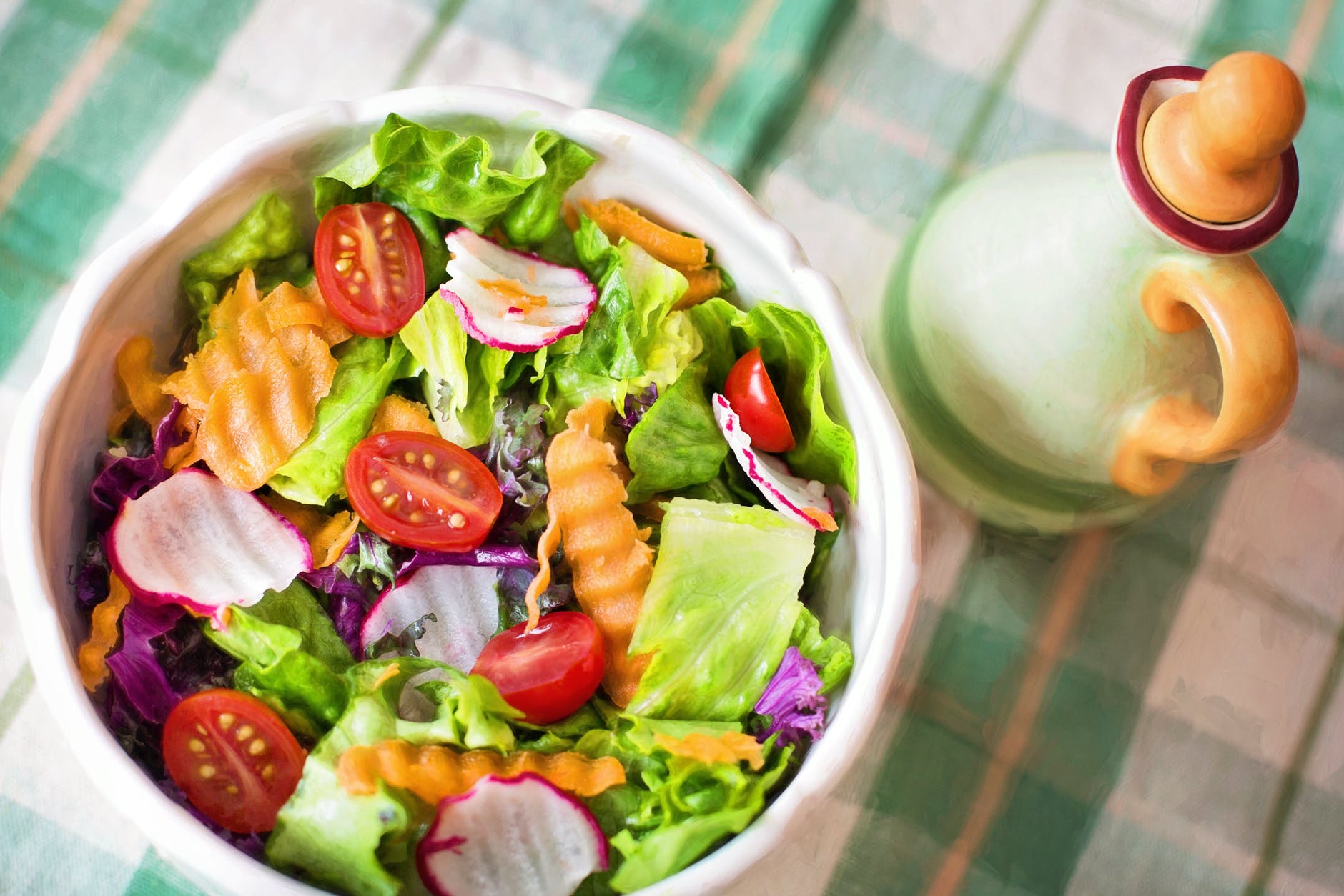
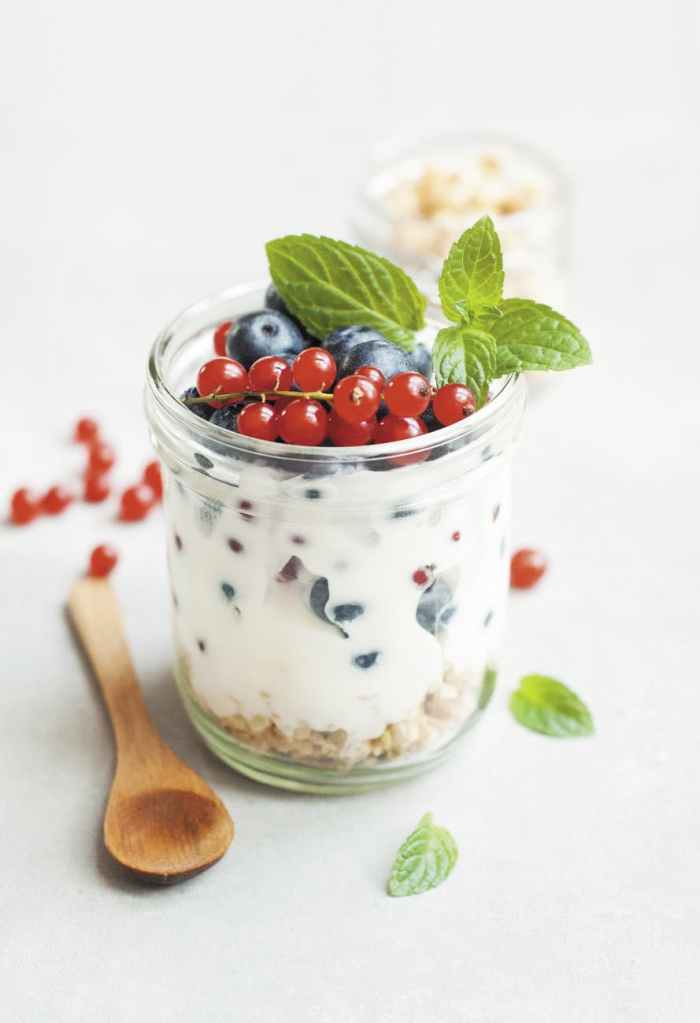


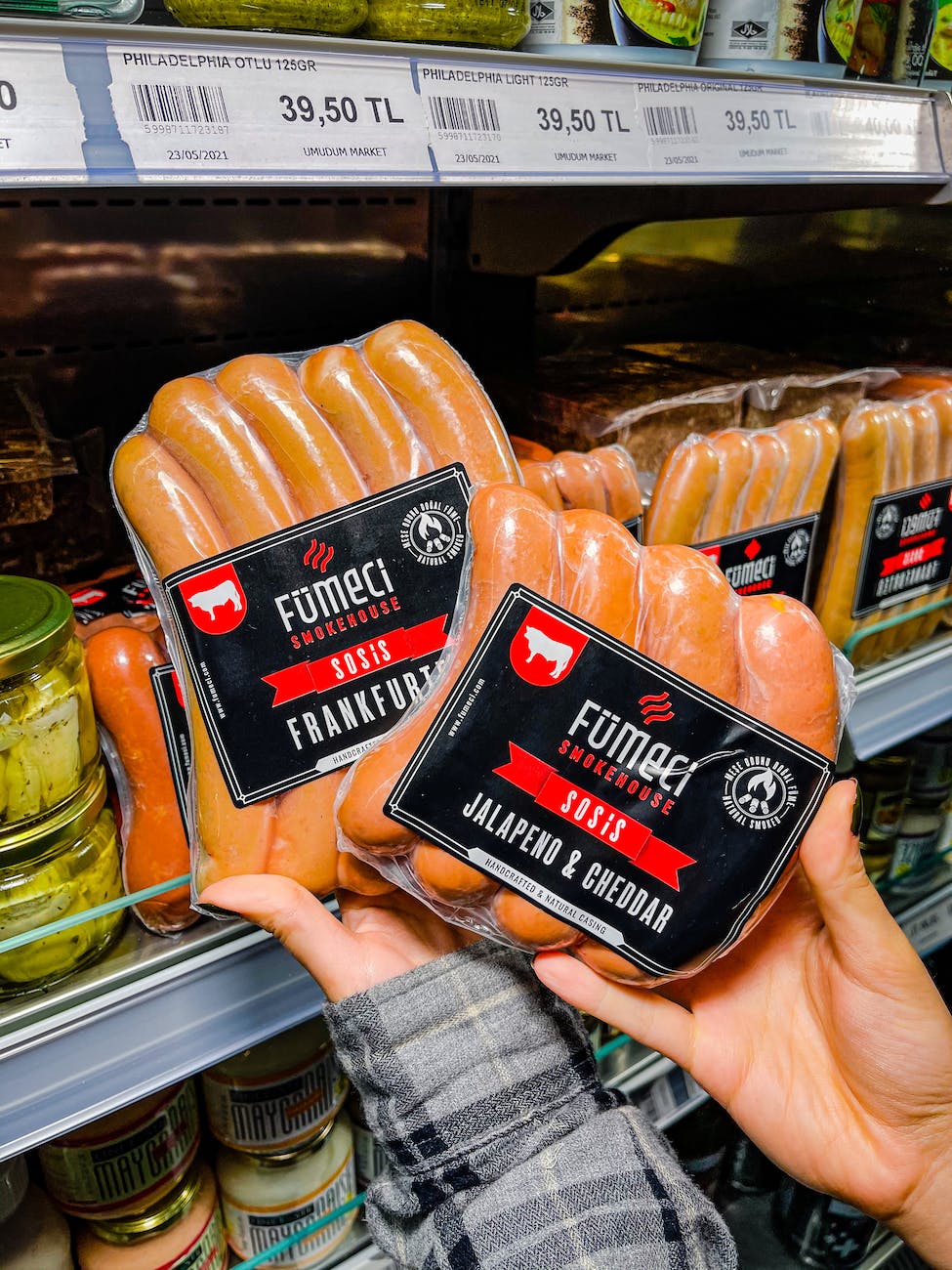



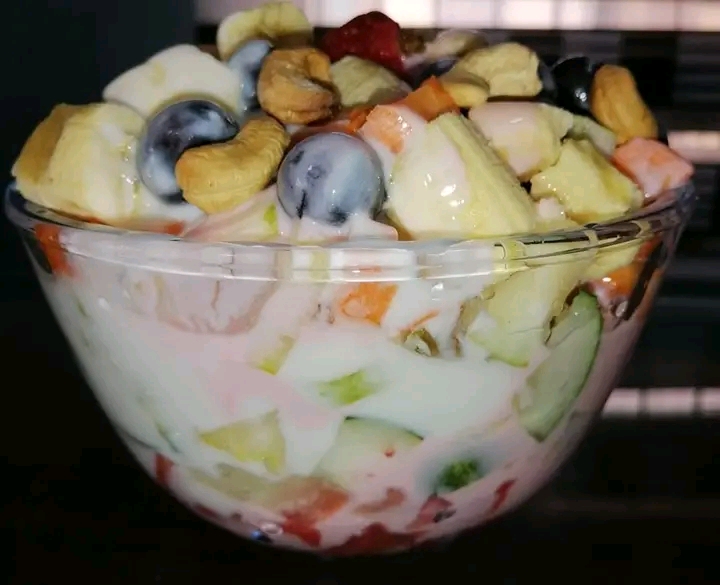



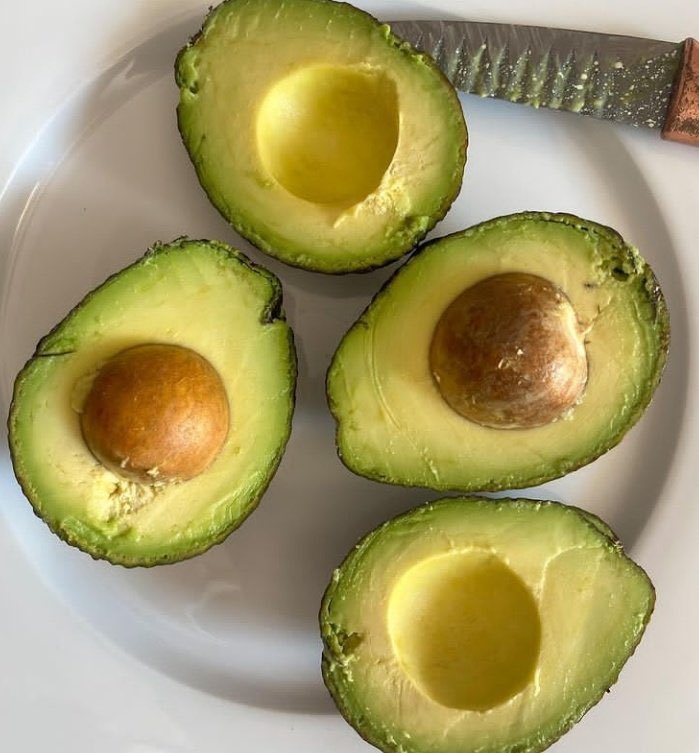

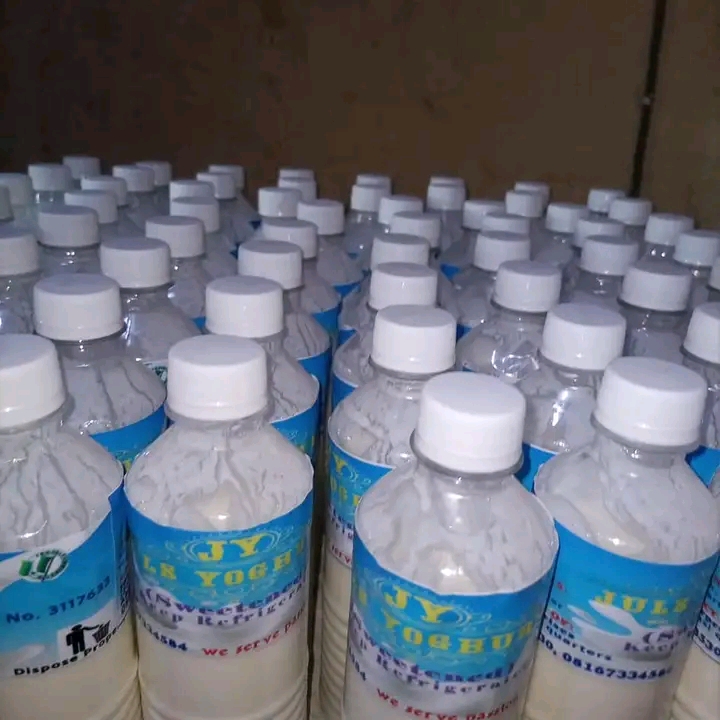

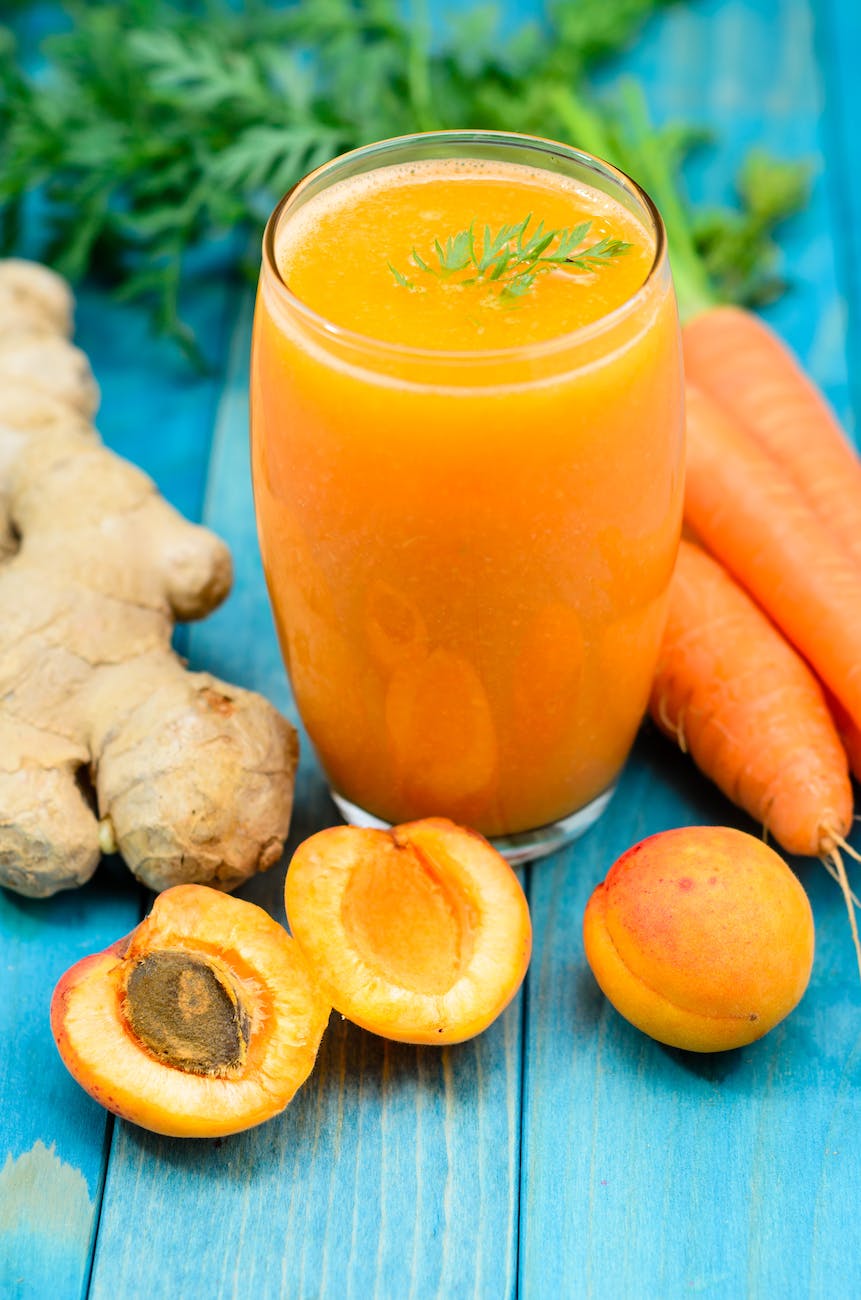
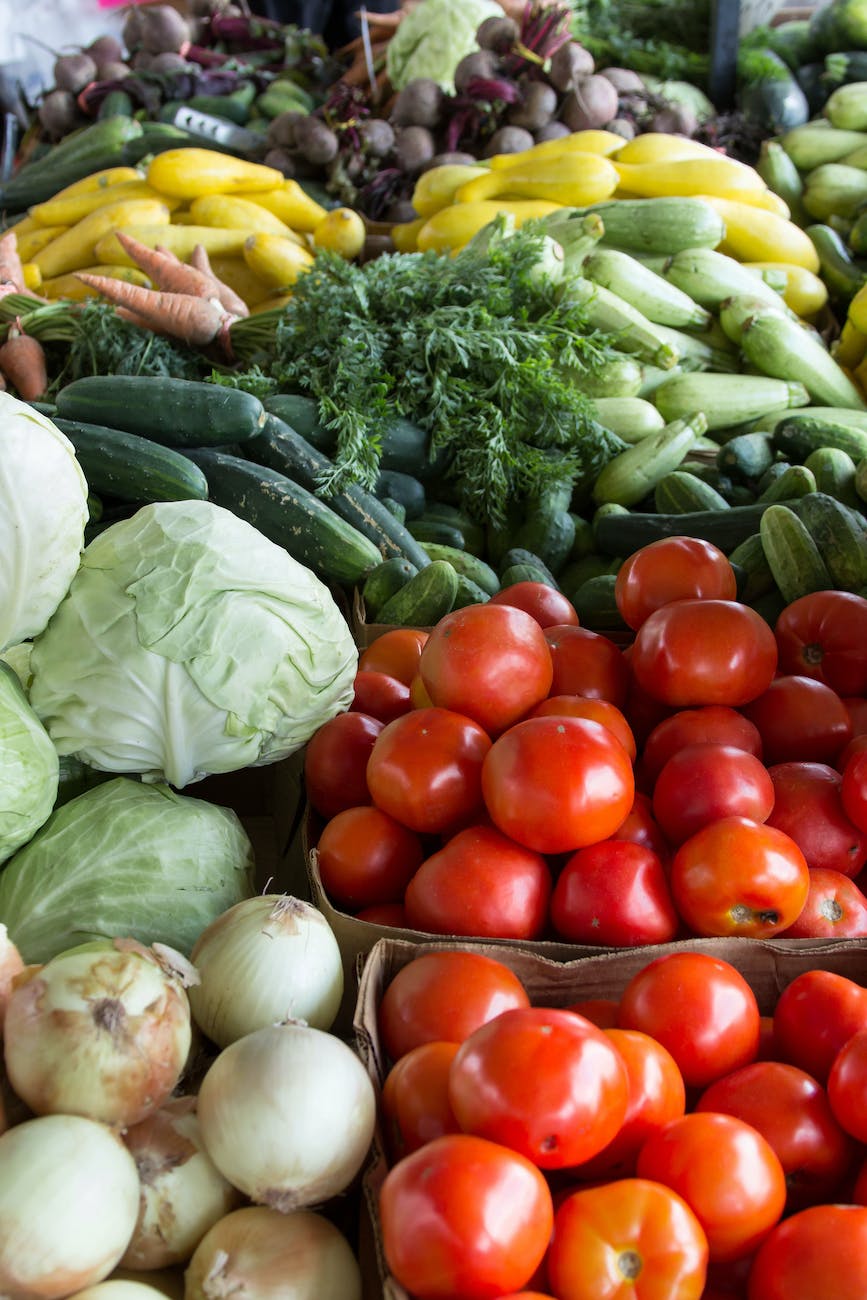
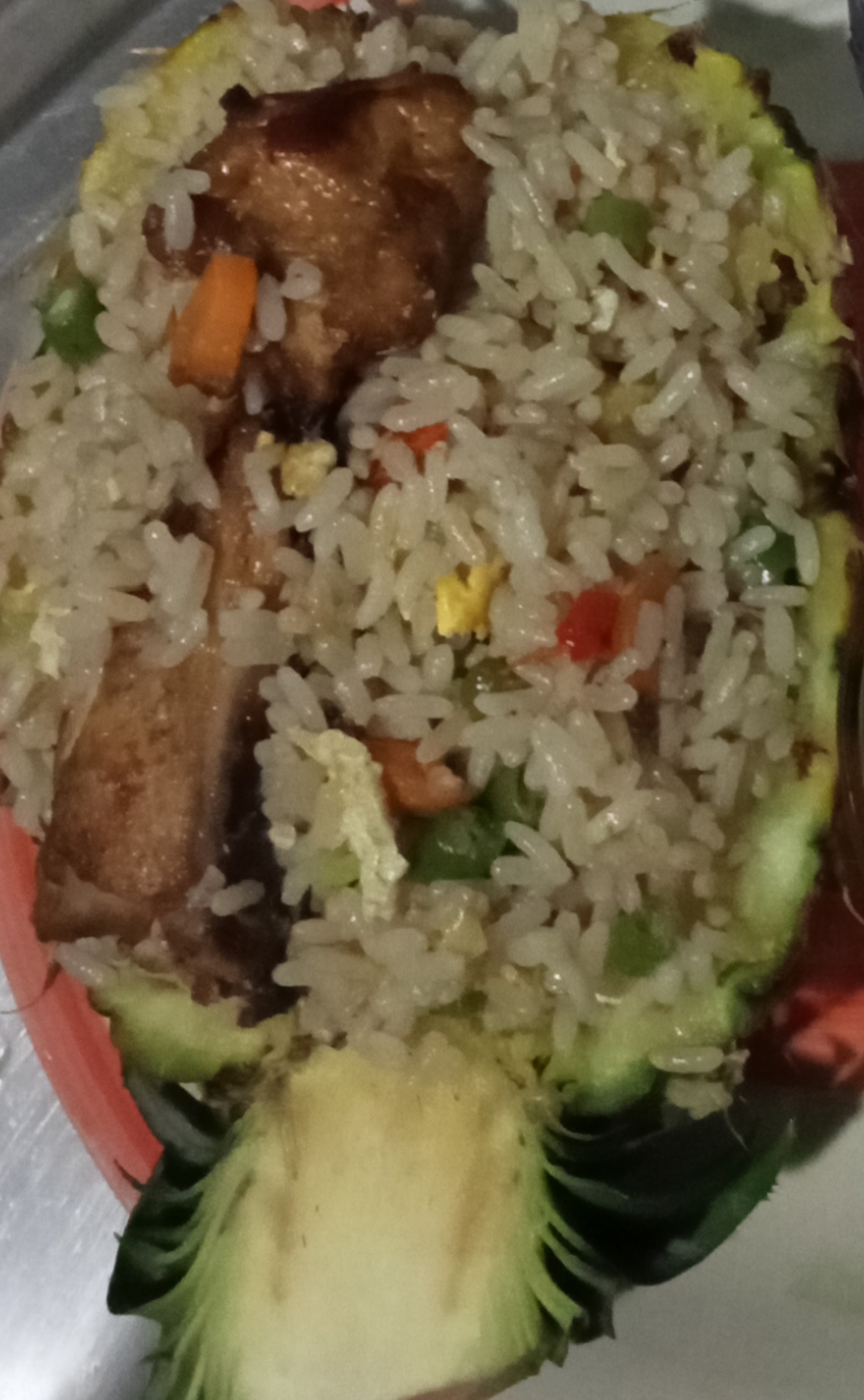

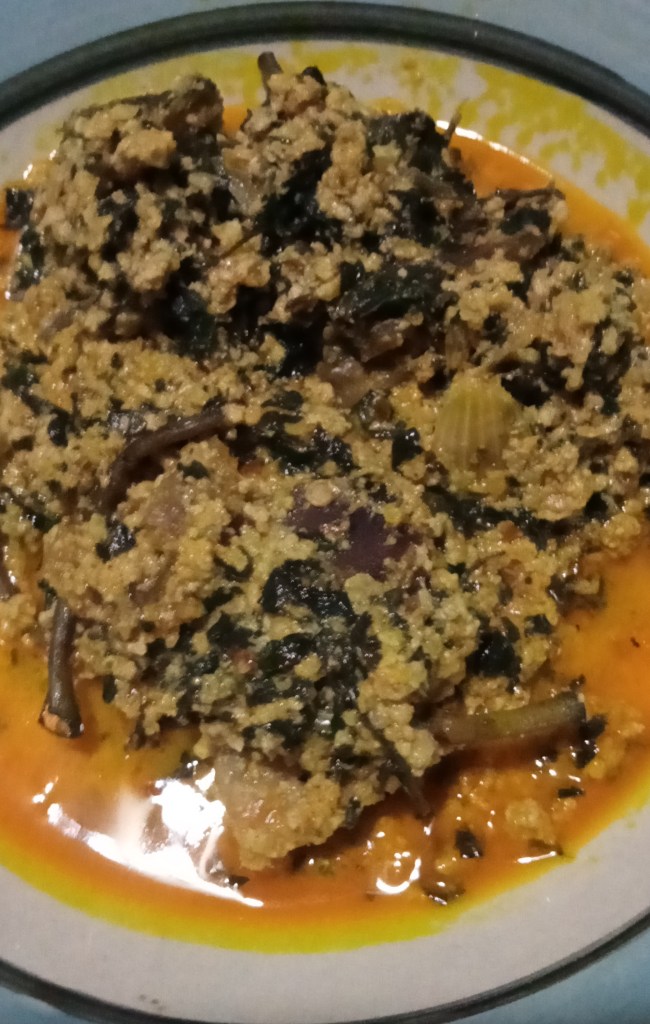
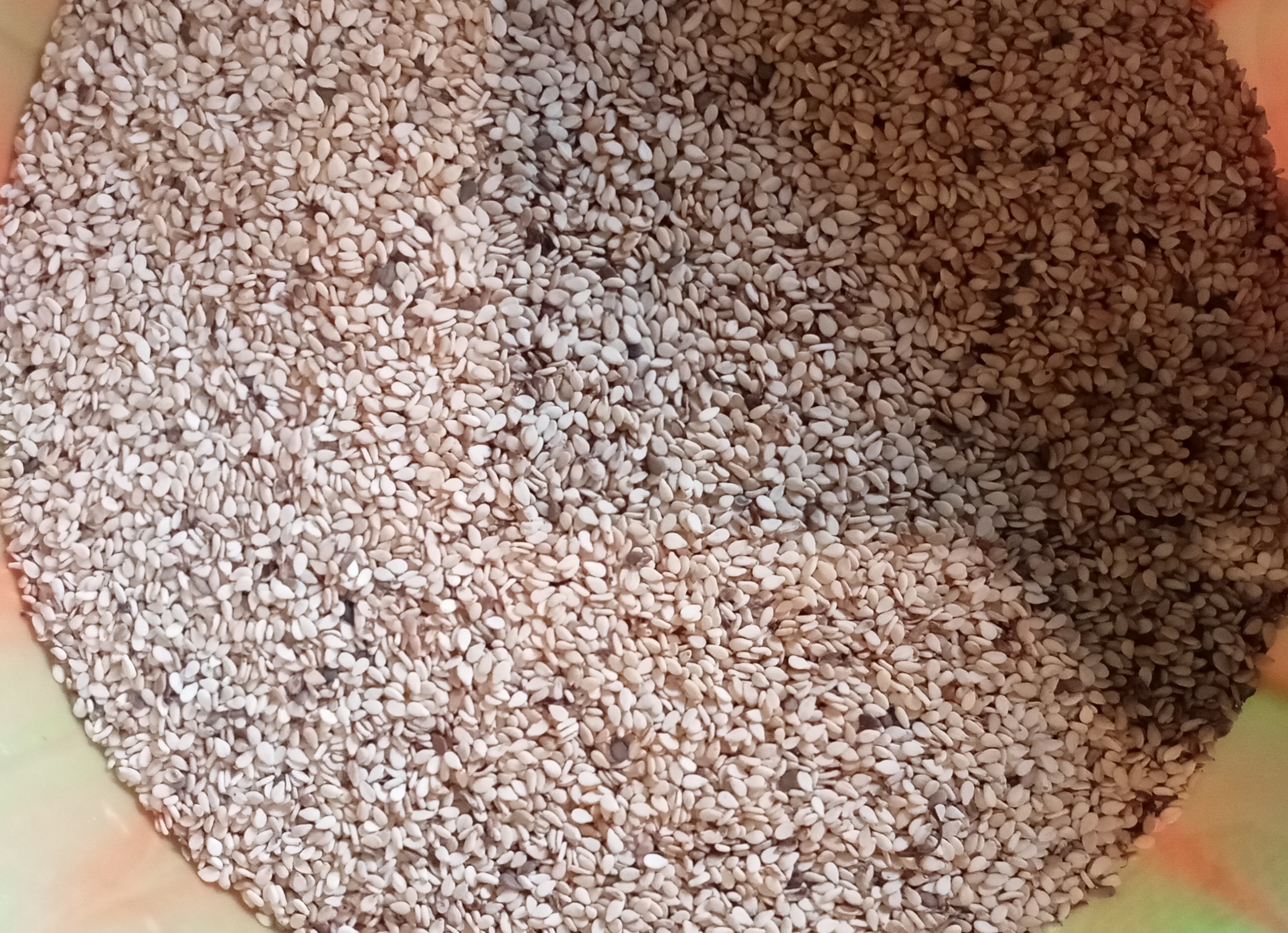


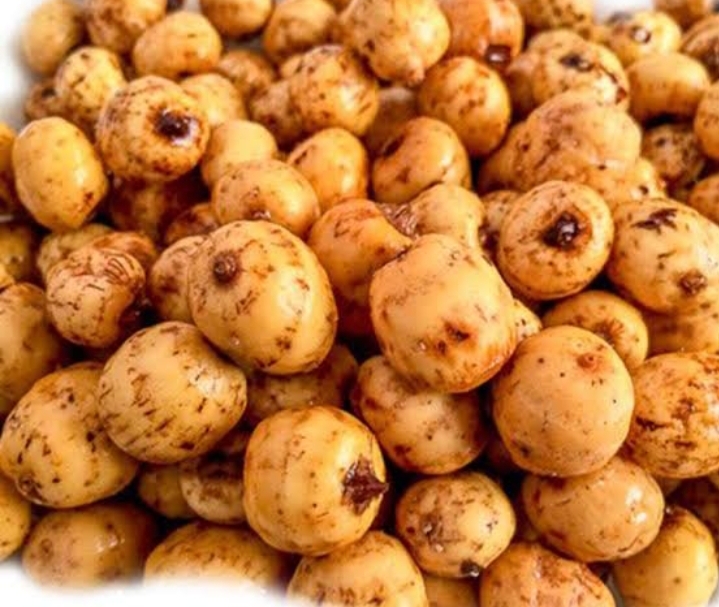

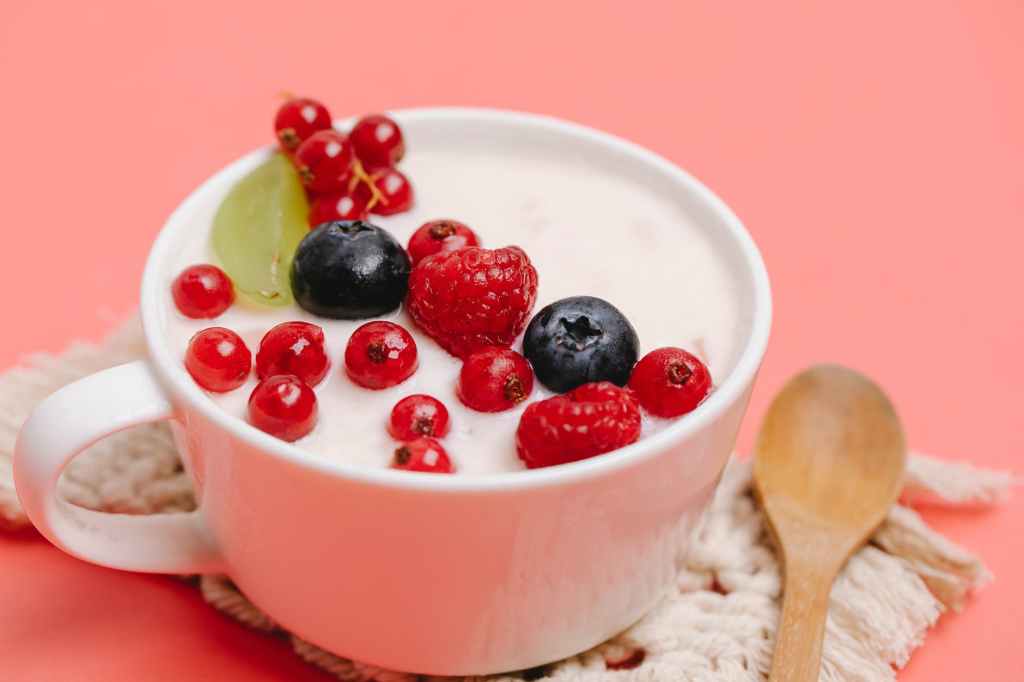
 FoodsDoctorPro
You must be logged in to post a comment.