
Processed foods already have bad reputation worldwide. It has become a general believe that processed foods are unhealthy as they cause different types of disease and health complications. The most common of these believes at the moment is that they are carcinogenic. Meaning that processed foods causes or have high tendencies to cause cancer.
The question now is, are all processed foods unhealthy? Or are there group of processed foods that are unhealthy?. Another question that should even come to mind in the first place should be the meaning of processed foods and how the processing techniques impact unhealthy characteristics on the finished products? These questions and many more misconceptions about processed foods will be addressed by this article. It will feature the following;
¶ Meaning/definition of processed foods
¶ Reasons for processing foods.
¶ Examples of Processed foods
¶ Benefits of processed foods
¶ Nutritional and Health facts about Processed foods.
¶ The position of world health organization (WHO) on consumption of processed foods(meats)
¶ Professional Guidlines/advise on the consumption of processed foods.
As a professional in the areas of food science, technology, and nutrition, I will begin this article in ernest by stating that it is absolutely wrong to assume or make claims that all processed foods are unhealthy. This is an ugly generalization. This is because virtually all food materials undergo some sort of processing. When you cook your raw food materials at home, you have processed the food. When you wash, clean and slice/cut your vegetables, you have processed it, as funny as this sounds but that’s the absolute truth. Nevertheless, processed foods actually have deeper meaning than foods gotten from the simple food preparation procedurorial instances as given above. Therefore, for better and clearer understanding I will be giving true meaning of processed foods thus;
★Meaning of Processed foods. These are foods in which the physical and chemical properties of their base raw materials and/or ingredients has be altered through series of mechanical, technological and thermodynamic processes. From the definition above, it can be seen that processed foods are not just the type of foods we cook everyday at home whereby preperation methods are limited most times to cooking, boiling, frying, sun-drying, microwaving, and refregration. In most cases, some processed foods contain significant amount of artificial ingredients like sugar, salt, fats, colourants, and flavour enhancers. However, these ingredients are permissible by food laws at regulated proportions and are generally recognized as safe. (GRAS). They are refered to as Food addictives.
★ Reasons for processing foods.
There are several reasons why raw food materials are processed. Infact it’s almost impossible for a raw food material not to undergo some sort of processing. To say the least, processing of foods is even as old as man, just that the techniques has evolved from the traditional processes to highly technological and engineering means. The following are the reasons for processing foods.
A. To increase the shelf life of food materials: when foods are processed, the normal natural deterioration and spoilage processes are distorted or totally eliminated thereby helping for foods to be kept for a longer time before consumption without spoilage.
B. To increase the nutritional quality of the foods. Some food materials are naturally deficient or lacking in some basic nutrients. Therefore, processing allows for the introduction of the deficient or lacking nutrient(s) in such foods. For instance, fortification of wheat flour or vegetable oil with vitamin A
C. Ease of transportation; when foods are processed and packaged, they are easier and safer to transport from one place to another with minimal loses.
D. Elimination of microbial contaminants. Processing of foods using any of the highly technological processes help to eliminate or drastically reduce contamination, infections or intoxication by microorganisms such as bacteria, fungi and viruses. For example, Mycotoxins such as Aspergillus flavus and Aspergillus parasiticus fungi release carcinogenic toxins in foods. Therefore, stringent processing measures such as high temperature cooking are even needed to be able to eliminate this kind of dangerous microbes as they are often not killed by ordinary cooking temperatures.
E. Processing of Foods give room for variety of products. For example, wheat flour as a semi processed food material can be used to make several other food products like bread, cakes, cookies, instant noodles, pasta, wheat meals, etc.
F. Better digestibility. Some food materials of cereal and legume origin contain indigestible carbohydrates(oligosaccharides) and in some cases heavy metals which are unhealthy. Processing of such foods helps to remove, reduce or improve their digestibility.
G. Removal or reduction of Anti-nutrients; when foods are processed, some anti nutrients naturally existing in the raw food materials are removed or significantly reduced. Some of these Anti-nutrients binds with the food nutrients, thereby making them unavailable for absorption by the body system. For example, the presence of phytates in food materials inhibits the absorption of these basic and important micro nutrients, zinc and iron by the body system.
H. Palatability of foods.
I. Improvement of eye appeal, texture, taste, flavour and Aroma of foods.
J. Marketability; Some foods are better marketable when they are processed and packaged. It makes such foods more appealing to to potential consumers.
K. Raw food materials are also processed in order to minimize post harvest losses.
L. Some food materials are processed to remove allergic compounds. for example, low fat milk powder is fermented to convert lactose to lactic acid leading to the production of yoghurt as an alternative dairy product for people that are allergic to animal milk.
From the list above, you can see that processing of foods is almost inevitable. However, the processing methods adopted is what should be of primary concern because each of the processing methods have different impact on the finished products.
★ Categories of processed foods
The list below shows the categories of foods that are refered to as processed foods based on the context of the definition i gave earlier.
° Ready- to- eat meals such as breakfast cereals.
° baked products such as bread, cakes, cookies, short breads, biscuits etc.
° canned foods. eg canned fish, sweet corns, canned tomato paste, canned shrimps, corned beef etc
° Vegetable fats and oil. eg margarine, mayonnaise, refined cooking oil, butter etc.
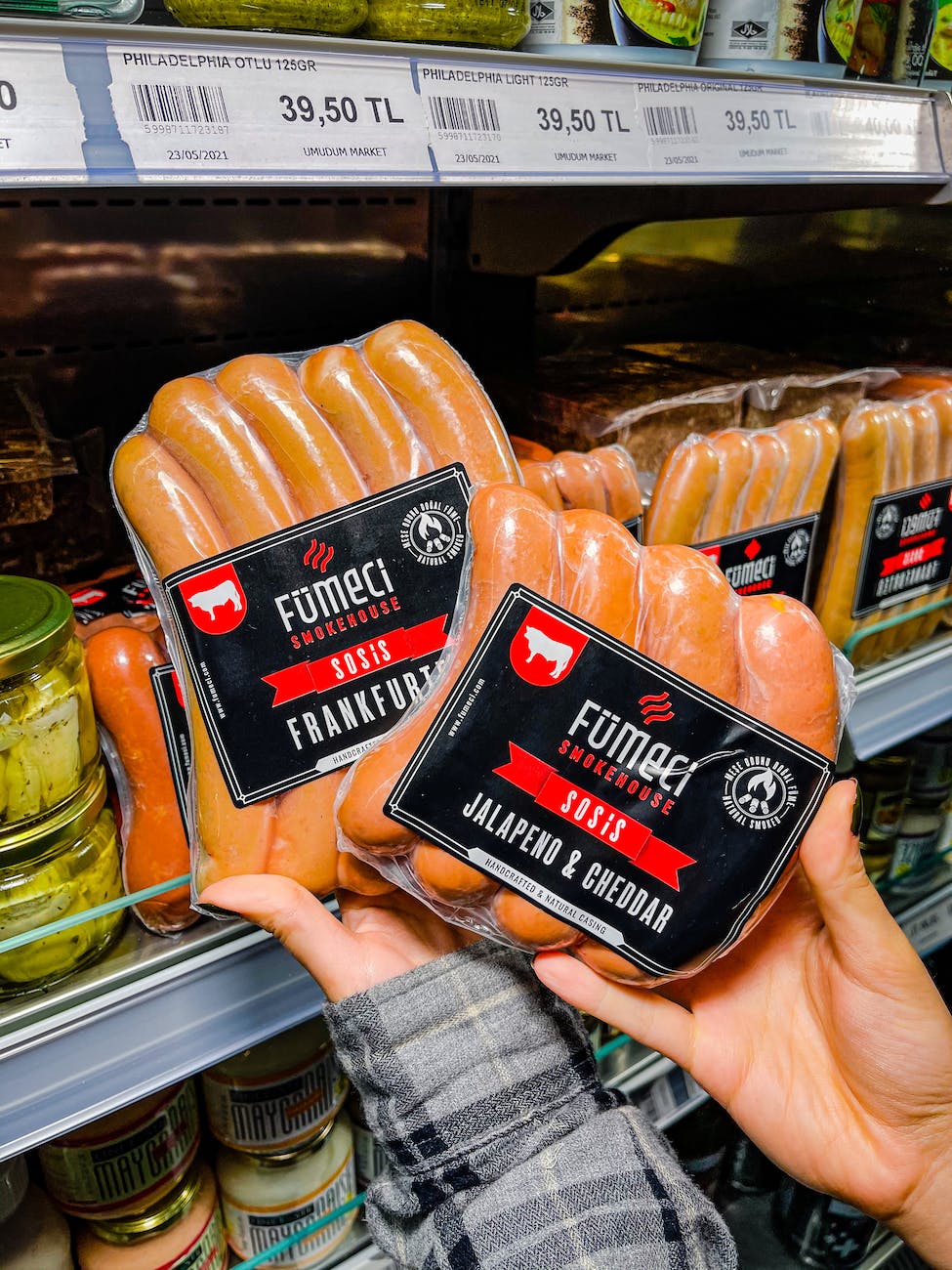
°Processed meats; eg canned beefs, hotdog, sausages, pizza, canned minced meats, canned chicken sauce, etc.
° instant noodles
° Pasta
° Fruit juice concentrates
Sugar based snacks: eg candies, chocolates, ice creams, etc.
° spreads and jams
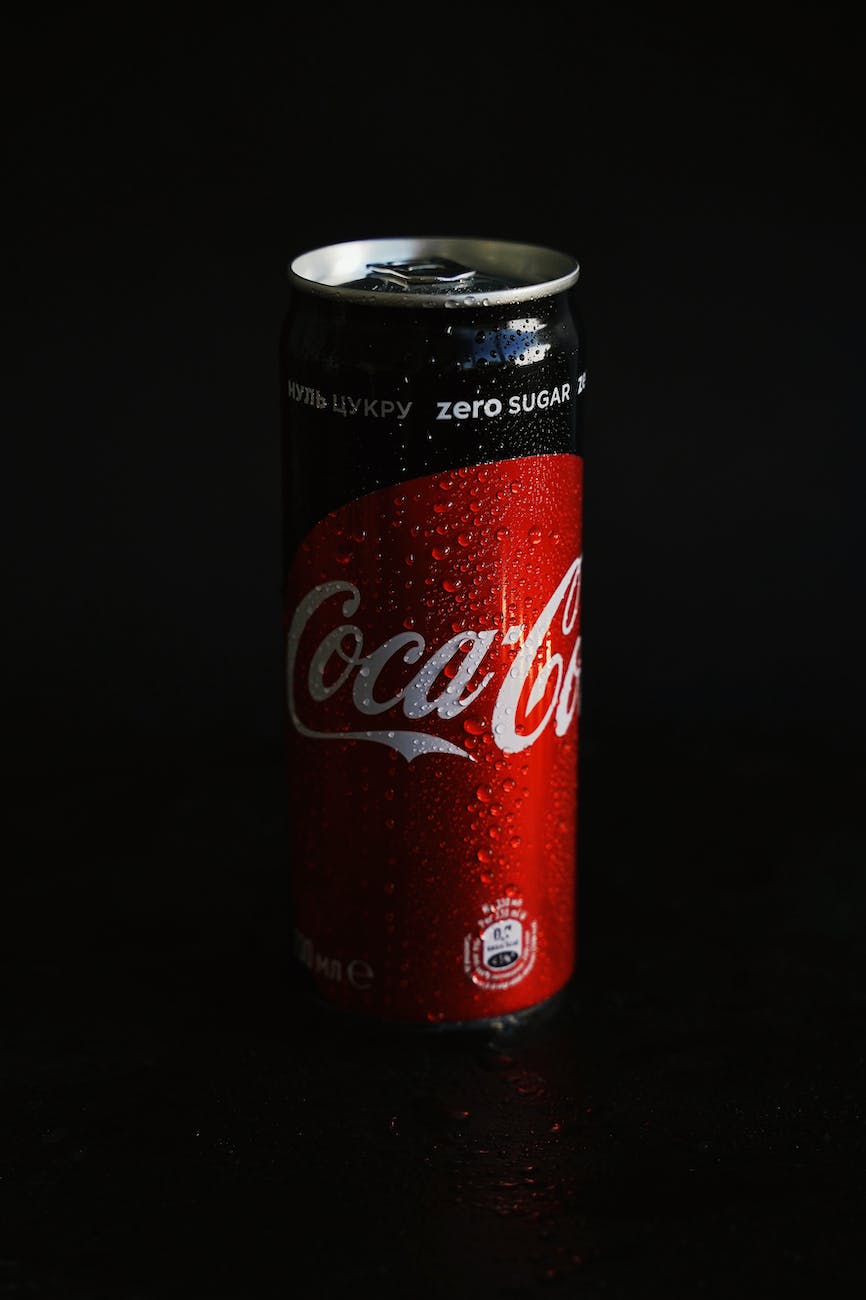
° carbonated drinks.
★ Benefits of Processed foods
Some of the benefits includes;
√ Ready -to -eat value
√ Improved nutrients, especially micro nutrients and vitamins.
√ Some are very fast and convenient to prepare. (Semi processed foods). eg. Instant noodles.
√ A lot of them can be stored for a very long time without spoilage provided that optimum storage conditions are maintained. eg. Canned foods. packaged cookies, breakfast cereals, etc.
√ It allows for unbinding of any possible anti nutrients from the food nutrients thereby making them available for absorption by the body system.
√ processed foods are safer from microbial intoxication. This is because a lot of micro organisms such as some fungi like aspergillus species and spore-forming bacteria are hardly killed by ordinary cooking temperature like boiling but are eliminated by any of the ultra high food processing temperature such as baking. Some processing techniques also reduce the susceptibility of such foods to microbial invasion due to low moisture content and water activity.
★ Nutritional and Health Facts about processed Foods.
1. The Processing techniques adopted affects the overall nutritional quality of the processed food products. There are often high loss of basic nutrients especially vitamins and proteins due excessive denaturation.
2. Some processed foods usually contains high amount of added sugar, salt and Fats. eg cakes.
3. Some processed foods are fortified with food nutrients such as Vitamins and minerals to improve their nutritional quality.
4. Most processed foods are healthy and safe for Consumption. However, some of them can pose some health risk to some class of consumers like Diabetic and hypertensive patients due to added sugar and sodium salts which could increase their blood sugar and blood pressure levels. Such foods may also lead to high risk of cardiovascular disorders in some individuals due to the fact the foods contain saturated and trans fats. Frequent consumption of these type of foods could also trigger diabetic and hypertensive tendencies in aged people and pregnant women.
5. The Use of Additives in processed Foods are regulated by Food laws. These laws varies from countries to countries. However, there is are internationally recognized laws also guiding the use of any of the additives.
★ Additives; This refers to substances added to foods during processing that are not ordinarily used as a food ingredients during cooking. Some of such additives are inorganic while others are organic substances. They includes Flavour enhancers like monosodium glutamate, sequestrant, ant-caking agents, acidity regulators, binding agents, emulsifiers, anti oxidants, sweeteners and filter aids.
6. There are strict guidlines and standards set by Codex Alimentarious Commission for most processed foods for commercial purposes in terms of safety, nutritional quality, good manufacturing practices (GMP), hygiene, use of additives, and storage of finished products.
The position of World Health organization (WHO) on processed meats.
According to the reports of World health organization in 2015 through one of its arms, The international Agency for Research on Cancer (IARC), it classified processed meats as group 1 carcinogens. It also classified red meats as group 2A carcinogens to humans. This according to the research and findings implied that consumption of processed meats like hotdogs, sausages corned beef and other processed meats have the tendencies to cause colorectal cancer in humans. This was attributed to the fact that some of the processing methods like curing (immersing meats in nitrates or nitrites) or smoking could lead to the formation of carcinogenic substances like N-nitroso compounds and polycyclic aromatic hydrocarbons.
The reports also stated that high temperature cooking such as frying, grilling, and barbecuing can also produce carcinogenic chemical compounds like hetero-aromatic amines. But then, there were no enough data for the IARC working group to reach a conclusion about whether the way meats are cooked affects the risk of cancer.
Also, the report was unable to quantify the doses that one could consume or accumulate in his or her body system to become at high risk of colorectal cancer.
★ Professional guidelines/advise on consumption of processed foods.
Judging from all of these things I have written concerning processed foods, especially in terms of the reasons and benefits, you can see that processed foods are inevitable in our daily diets. It is also worthy of note that a lot of processed foods are not harmful to our body system. Therefore people should do away with the assumptions that all processed foods are unhealthy. People should also understand that food production and processing systems will keep evolving with more innovative approaches surfacing to be able to meet up with global demands for affordable and nutritionally enhanced packaged food products. What should be of primary concern is for food processors, engineers and Technologists, to keep adhering to set processing standards by international regulatory organizations. It is also important that these regulatory organizations keep reviewing these standards from time to time so as to be able to make adjustments where necessary as well as new inputs. They should always make sure that before a company is licensed to start processing and packaging foods, it must meet all the requirements. Here are my guidlines/advise below:
• Endeavor to strike a balance between processed foods and other foods in your dietary plans.
• If you a Diabetic or hypertensive patient, you must watch and regulate the type of processed foods you consume seeing as some of these foods contain added sugar, salts and fats which may likely increase your blood sugar and blood pressure levels.
• People with high cardiovascular diseases tendencies due to other health challenges and aged people should drastically reduce the consumption of processed foods rich in fats as some of them contain saturated and trans fats. The accumulation of these unhealthy fats overtime could result to cardiovascular diseases.
• Before buying Processed and packaged foods, always endeavor to check the nutritional information on the label to be sure it conforms to your nutritional needs. Look out for amount of calories, sugar, saturated fats, trans fats, sodium and any possible allergens. For Diabetic patients, there are a lot of processed foods specially made for you with very minimal calories. When shopping your food items, look out for such products at malls and supermarkets.
• Based on the reports of WHO on processed meats, you should regulate your consumption of such meat products. Although the carcinogenic tendencies of processed meats is dependent on the method of processing adopted. Judging from that report, I’m recommending that you consume more of oven-dried, boiled and steamed meats. I so do not think that fried meats could have any carcinogenic effect because the oil used can’t possibly form any form carcinogen compounds with the chemical components from the meat.
° Habitual consumption of meats and fishes grilled or barbecued in direct contact with smokes and flames is unhealthy especially if the heat source is gas, polyethylene or other materials with heavy aromatic hydrocarbon emissions. Therefore, as much as you can, regulate the Consumption of meats and fishes processed under these conditions.

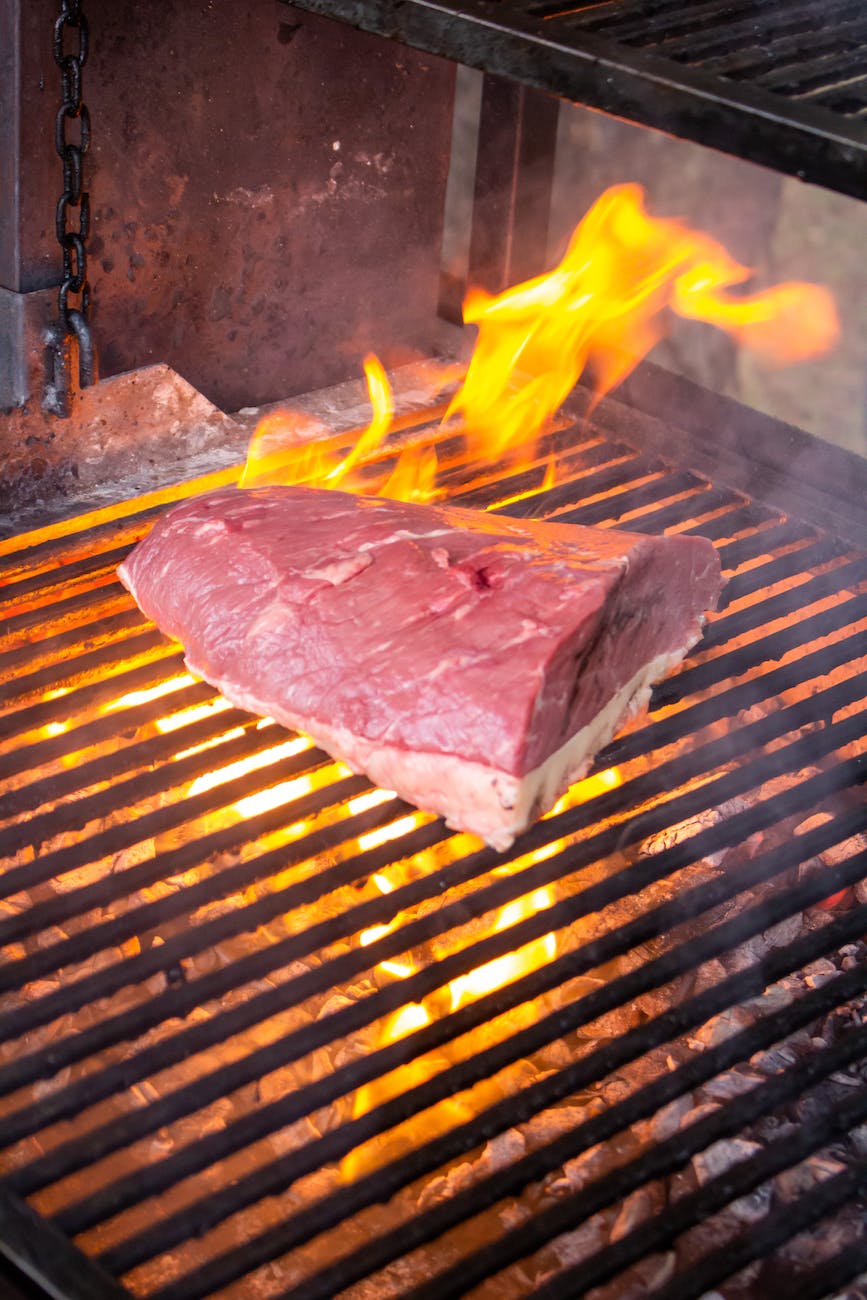
• Grilling and barbecuing of meats and fishes can be achieved using non-smoky heat sources from electricity. When this is done, carcinogenic substances as mentioned earlier will be avoided.
•Any other processing techniques that doesn’t expose the meat products to direct smoke or flame are very ideal as the meat will not have any carcinogenic tendencies.
 FoodsDoctorPro