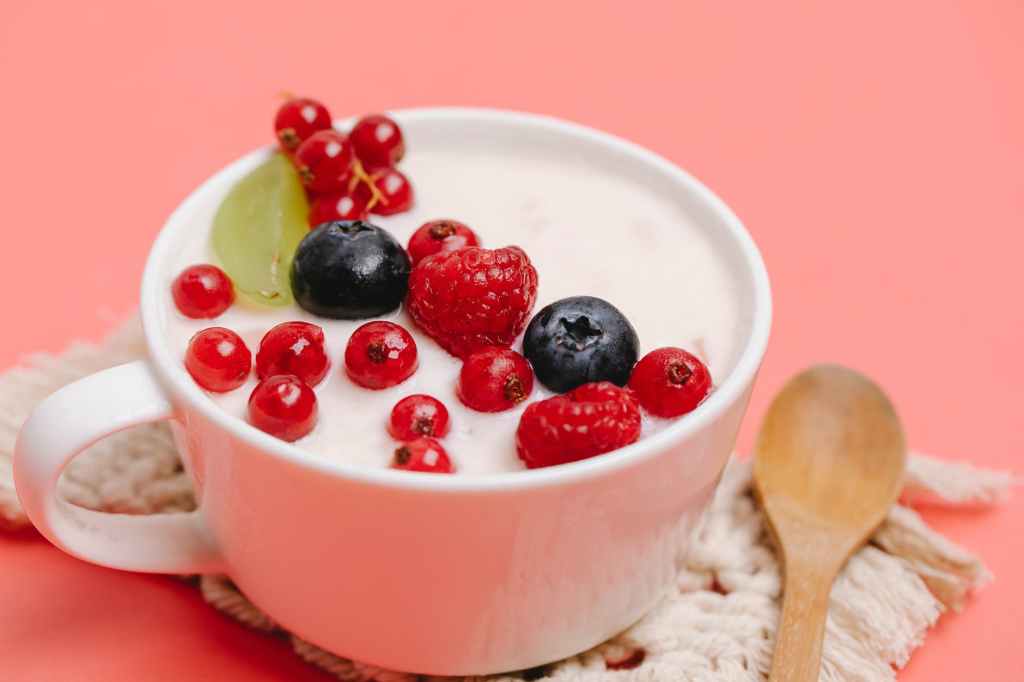
In one of my previous blog posts, I had written extensively on the nutritional and health benefits of probiotic yoghurt. So, on this particular article, I will be focusing on how to make probiotic yoghurts at home. Some people might wonder what “homemade yoghurt” means. Well the answer is very simple, as simple as describing it as a yoghurt made at home. This explanation is based on the Production processes and the choice and or use of ingredients. Homemade probiotic yoghurts can be made using either raw cow milk, powered cow or goat milk, or plant based milk products such as Coconut milk or tiger nut milk.
Homemade probiotic yoghurt is quite different from the Produced and packaged ones that we buy at stores, malls, open markets, etc. It is different in the sense that most of them are “commercially sterile” as often used in the food science and technology terminologies. What this actually means is that after the fermentation process, the viable bacteria that facilitated the fermentation process has been killed, living the yoghurt with little or no viable beneficial bacterial cells. In this case, it’s no longer a probiotic yoghurt. This is the key difference between ” Homemade probiotic yoghurt” and “commercial yoghurts”. Also, oftentimes, some commercial yoghurts contains preservatives which extends the shelf life of the product but in the former, there is usually no addition of preservatives.
The nutritional and health benefits of homemade yoghurts and even other types of Yoghurts cannot be overemphasized. Unlike commercial Yoghurts, homemade yoghurt are less in the amount of lactose due to fermentation time, oftentimes the fermentation of homemade yoghurts takes between 8-24hrs but for commercial yoghurts it’s usually very less which makes the amount of unconverted lactose in the end product still quite high. And by this, not so ideal for lactose-intolerant individuals.
As clearly stated and explained in my previous post, probiotic yoghurts boosts the immune system, helps greatly in the maintenance and improvement of Gut health, Building of muscles and weight loss. It is also very rich in calcium and potassium which aid formation of strong bones in infants and maintenance of strong bones in ageing adults. It is highly rich in Vitamins B12, Riboflavin, Ascorbic acid and Vitamin-D.
The results from the United States department of Agriculture (USDA) nutritional research on a commercial yoghurt sourced from Johanna Foods inc. in 2019 showed that per 100g of the product contained; Energy= 87kcal, proteins= 8g, Total lipid(fat) = 0.88g, carbohydrate= 13.33g, Fibre= 0g , Total Sugars=12.67g, calcium=100mg, Iron= 0mg, potassium=133mg, Sodium=37mg, Vitamin C= 0mg, Vitamin A=0 IU, Vitamin-D= 40IU, Total saturated fatty acids=0g, Total trans-fats= 0g. Cholesterol=3mg.
The ingredients used for the Production of this yoghurt included; cultured pasteurized Grade A low fat milk, sugar, Non fat milk solids, modify corn starch, mango fruit puree, fructose, Kosha gelatin, Natural flavours, pectin, locust bean gum, citric acid, potassium sorbate, sodium benzoate, Vitamin A palmitate, Vitamin-D3 and Anatto (colour). The starter culture used were; Lactobacillus Bulgariccus, Streptococcus Thermophilous, Bifidobacterium (BB-12), Lactobacillus Acidophilus and Lactobacillus Casie. All of these were bacteria cultures. Another USDA studies on a different probiotic yoghurt products showed that the use of Lactobacillus Planetarium improved the sensory and nutritional profile of the yoghurt. This further buttressed the point I had made in my previous post on the effective combination of starter culture strains and species in achieving high quality Probiotic yoghurt.
Making of homemade Probiotic yoghurt doesn’t really require much sophisticated equipment or techniques. With your cooking pot, a source of heat energy which can be your cooking gas or electric heater and your fermentation container (this could be a plastic bucket with a cover or even the same cooking pot) you can make a perfect probiotic yoghurt at home. equipments needed includes the following;
Equipments/materials that can be used for making homemade Probiotic yoghurt.
* A cooking pot.
* A gas cylinder or Electric heater or any other source of heat.
* Plastic bucket or bowl with cover.
* A Thermometer
* A whisk, stirrer or whip
* A filter or sieve.
* Plastic cans or Jug
The Ingredients needed for the Production are as follows;
Ingredients for making Homemade Probiotic yoghurt.
* Low Fat milk (500g)
* Sugar (Optional, 100g and below, depending of choice)
* Starter culture or a portion of already Produced probiotic yoghurt.
* Fruit flavours (optional)
* Water (5 liters)
As I earlier said, the procedures aren’t cumbersome but very delicate because it involves the use of bacteria cultures and if the process is not carefully controlled, it could lead to the introduction of undesired bacteria which may be detrimental to the health of the intended consumers of the yoghurt. Hence, the Production and/or Fermentation environment ought to be properly controlled in terms of temperature and hygiene so as not to introduce a strange microorganisms into the yoghurt. The procedures are as follows:
Procedures for making Homemade Probiotic yoghurts.
1. Pour in 5 Litres of water into a thoroughly washed pot, light up the cylinder or any other source of heat that is available to you for use, boil the water to 80°c. Then turn of the light and pour in the milk (500g). This action is to kill any vegetative parts of bacteria that may be present in the milk. This process is refered to as pasteurization.
2. Bring down the temperature of the milk and water mixture from 80°c to between 42- 45°C. This can be done by allowing the mixture to keep cooling on it’s own while you check for the heat reduction using a thermometer at short intervals of time until that desired temperature (42-45°C) is reached or to shorten cooling time, submerge the bottom of the Pot in a cold bowl of water and monitor the decrease in temperature keenly using a thermometer. The problem with this technique is that if not properly monitored, you may cool the milk mixture below the needed temperature and that is going to definitely give you a bad result because the heat loss to the cold medium isn’t always uniform, so it isn’t so ideal. So it is best to allow it to naturally cool to that desired temperature. One may ask, why particular about the cooling to 42-45°C ? The question is expected, especially for those who aren’t in the food processing field, the answer is because the Optimum temperature for growth and multiplication of the microbial cultures to be used for the fermentation of the milk is around that particular temperature ranges, so any temperature below that is going to give you are “a-not-so-great” result. The fermentation germination, growth and multiplication of the starter culture cells will be dull and such will greatly affect the fermentation process.
4. Cover the inoculated mixture and take take it to a secluded room, the temperature of the area must be that which is the optimum temperature for growth and multiplication of the bacteria culture or slightly less. Fluctuations in temperature or the area could after the overall performance of the starter culture. So, uniform temperature of the area is highly necessary. Allow the fermentation process from atleast 8-12hrs, if you want to achieve a total conversion of the lactose into lactic acid, you can ferment for 24hrs. But this will give you a very high tarty taste.
3. As the temperature gets to 42°C, transfer the milk mixture into the bowl or bucket that you are to use for the fermentation, thereafter, add a pink of starter culture to the mixture. In the case of using an already Produced probiotic yoghurt from a previous Production, measure 80-100cl by volume of the yoghurt and pour into the milk mixture. This process of introducing starter culture into the milk mixture is called inoculation. One of the benefits of using an already made probiotic yoghurt as starter culture is that the viable bacteria cells are already active and running, so immdiately it is introduced into the medium, it will swing into action immdiately unlike the use of freeze dried starter culture which will have to take some time to break their dormancy before the conversion of the milk sugar (lactose starts). Aside this, it is also more cost effective, so I like to use this process more often to save my freeze dried starter culture which is quite expensive, but this is because I’m a professional in the food processing sector and ensures I control a lot of factors during this process because the use of this already made Probiotic yoghurt as starter culture could be a source of undesirable bacteria into the end product if the inoculation process is un-hygienically done and this may lead to a bad end product.
5. Use a sieve to remove “Whey proteins and caseins” on top of the Yoghurt, then, Stop the fermentation process by using a stirrer or whisk or whip to stir the yoghurt. Thereafter, prepare a sugar syrup (80-100g, or less) and pour into the Yoghurt and stir vigorously for proper mixture. Note that the addition of sugar and proportion is based of choice, the desired taste and and dietary needs. Additional flavourings such as vanilla, banana, etc and colour can be added at this time if so desired.
6. Filter the yoghurt using sieve into a new clean bowl or even the pot used during the pasteurization stage. The essence of the filtration is to remove clogged whey proteins and caseins that formed during the fermentation process. Thereafter, fill the yoghurt into sterile Cans and cover them immdiately. Also, you can fill it into a thoroughly washed and cleaned Jug or any other container, then chill in a refrigerator for a more refreshing taste and feeling and then serve when needed with any breakfast meal or snacks or just the Yoghurt alone at any time.
Preservation and storage of homemade probiotic yoghurts.
The best way to preserve and store homemade probiotic yoghurts is to keep it refrigerated since it has no added preservatives. So long as this is done, it can stay for months without spoiling provided that the temperature of the refrigerator remains constant. Also, do not keep it open as this could give room to the entrance of undesired micro organisms into the Yoghurt which may lead to spoilage.
As I pointed out earlier, making of probiotic yoghurt can not only be done using animal based milk products from cow and goat, yoghurt can also be made using plant based milk products like coconut milk and tiger nut milk. The process of using these plant based milk products to Produce probiotic yoghurt is similar to the processes involved in that of animal based milk products but with some differences at few stages of the Production process. In my next article, I shall write about the processes and stages involved, including the nutritional benefits in comparison with the conventional probiotic yoghurts from powdered or raw cow and goat milk.
 FoodsDoctorPro