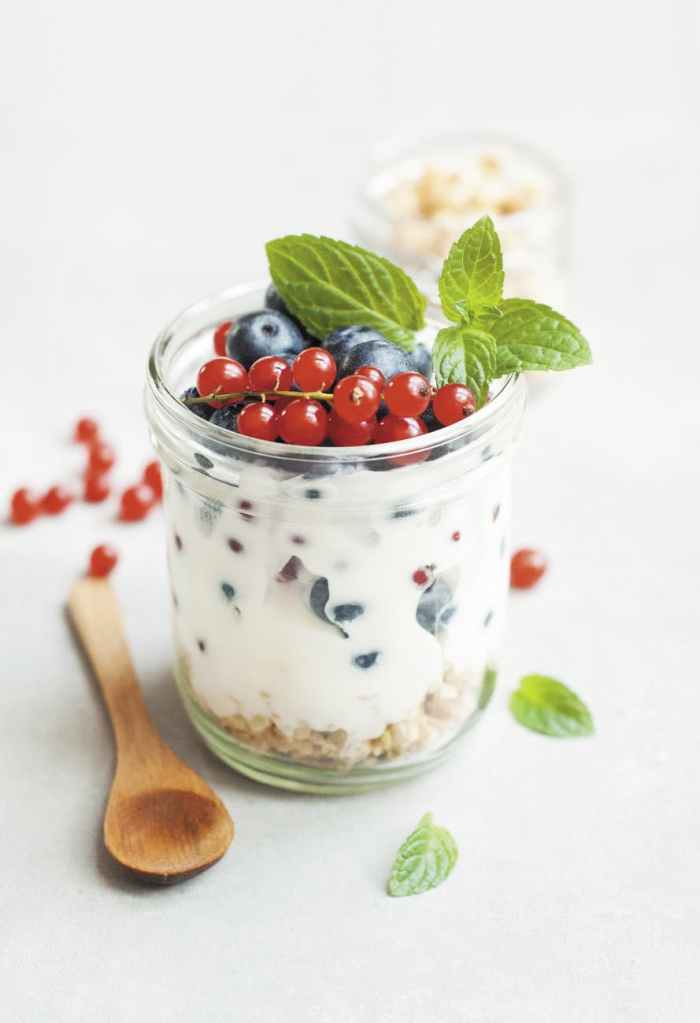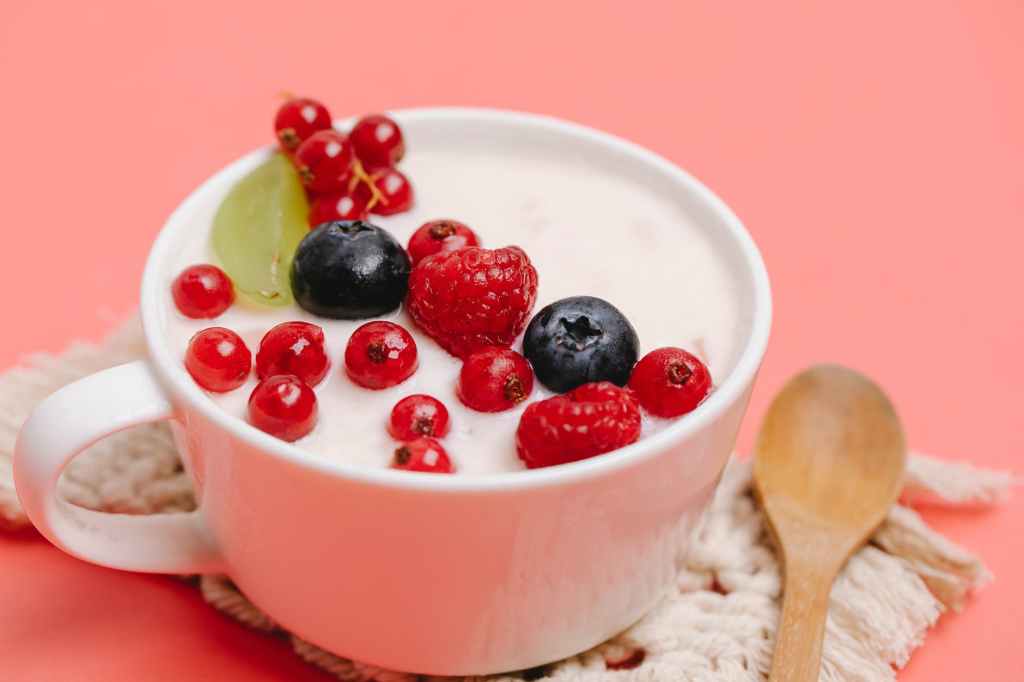

NUTRITIONAL AND HEALTH BENEFITS OF PROBIOTIC YOGHURT.

An already packaged probiotic yoghurt.

Probiotics are live microorganisms which when administered in adequate amounts confer a health benefits on the host. This is as defined by Food and Agriculture Organization (FAO). Therefore, probiotic yoghurt is a special kind of Yoghurt that contains live microorganisms in it. Other types of Yoghurt are commercially sterilized. i.e live microbes have been eliminated after the Production processes, including all possible microbial contaminants. Probiotic yoghurts are produced through a fermentation process involving the use of some beneficial strains of some micro organisms which converts the milk sugar (lactose) contained in milk into lactic acid . This conversion process is what gives yoghurts the tact or sour taste that one experiences while drinking it. It is called probiotic yoghurt because the microorganisms involved in the fermentation processes remains alive and functional in the end product which when consumed, performs a wide variety of nutritional and health functions in the body system.

Probiotic yoghurts are produced with the help of beneficial bacteria and yeasts which includes some strains of Lactobacillus Species such as Lactobacillus Bulgariccus, Lactobacillus Acidophilus and Lactobacillus Delbreckii . Others include streptococcus Thermophilous, Bifidobacterium Bifidus and a yeast Saccharomyces Spp. These microorganisms are selected in such a way that their combination in a certain proportion gives the best result. The minimum level of Probiotics suggested in yoghurts is 105-106 viable cells per/gram. Probiotic yoghurt is very rich in calcium, a mineral that is very essential for strong bone and teeth. It is also very rich in B-Vitamins especially vitamin B12 and riboflavin. These vitamins protects against heart diseases and also inhibits neural tube birth defects.

Probiotic yoghurt is ideal for those who don’t consume milk due to the presence of milk sugar (lactose), proteins (caseins and whey) I.e those often refered to as lactose-intolerants. This is because the fermentation process using the microorganisms known as “starter culture” converts the lactose into lactic acids and clog the “caseins” and “whey” which are filtered out at the final stage of the production. There are a lot of nutritional and health benefits of consumption of Probiotic yoghurt aside the ones already passively mentioned. They are listed and explained below.

Nutritional and health benefits of Probiotic yoghurt.

* IMMUNE SYSTEM BOOSTER: Friendly bacteria in the colon helps to boost the immune system. Probiotics have also been linked to enhanced nutrientional responses to flu vaccines. It was found in a study published in 2012 in the British Journal of nutrition that certain Probiotic strains boosted measures of immune response. Taking of probiotic yoghurt is also ideal for people who have been taking anti biotics as cure for some bacterial infections. This is because the drugs often badly affect the microflora and such requires those beneficial microbes be replaced or replenished to keep the body system actively functional.

* GUT HEALTH: probiotic yoghurt plays a very significant role in diarrhea reduction especially some kinds of infectious diarrhea which results from the use of antibiotics. A study suggest that some probiotic strains help in the treatment of inflammatory bowel diseases and also reduce bloating and gas in irritable bowel syndrome (IBS). Some strains of B. Lactis and L. Casei have also been found to be very beneficial in the improvement of stool consistency and frequency of bowel movement in people.

*WEIGHT LOSS: consumption of Probiotic yoghurt essentially help in weight loss. The presence of those live microorganisms in the body act on the body lipids thereby leading to weight loss. A research in the European journal of clinical nutrition in 2011 found that those who drank fermented milk (Probiotic yoghurt) containing a particular strain of Lactobacillus Gasseri for 12weeks experienced a significant loss in abdominal fat and body weight compared to those that consumed a control drink. There is also another study published by journal of Diary Science which tested the effect of probiotic yoghurt on the lipid profile of people suffering from type-2 Diabetes. It was found that probiotic yoghurt improved total Cholesterol level and low Density cholesterol (L-D-C) in type-2 Diabetic patients. It is therefore more advisable for those looking to loss weight, especially ladies who are conscious of their tummy fat to include probiotic yoghurt in their breakfast meals rather than skipping meals or starving most often in a bid to loss tummy fats.

*BUILDS MUSCLES: Probiotic yoghurt help to build muscle due to is rich source of high-quality muscle-building protein. The protein help to replace and refresh worn out tissues. People on a work out routine or muscle Building plan should therefore include Probiotic yoghurt in their diet and back it up with frequent gym routines.

* FIGHT AGAINST YEAST INFECTIONS: probiotic yoghurt significantly suppress the growth and multiplication of yeast cells causing yeast infections in the female sex organ, Virgina. Studies has shown that regular consumption of Probiotic yoghurt increases the acidity of the female sex organ thereby inhibiting the growth of infection-causing yeast cells in the Virgina of women. But then, probiotic yoghurt cannot be said to be a cure for virginal yeast infections. It is advisable for a person suffering from such to seek medical examination and treatment, but while at it or even to regulate or prevent such, regular consumption of probiotic yoghurt is ideal.

* OTHER BENEFITS: Aside the benefits listed above and even the ones I had mentioned while defining probiotic yoghurt, the are also quite a number of other benefits. It helps it the tackling of pectic ulcer and regulation of blood pressure. There has also been claims that probiotic yoghurt helps to prevent cancer of the colon, alleviate skin eczema, treat urinary tract infections and also help to ease anxiety and depression.

Although the benefits of Probiotic yoghurt cannot be overemphasized, there are a few side effects of excessive consumption. But these few side infects may be insignificant.

Side effects of probiotic yoghurt

1. excessive consumption of Probiotic yoghurt may lead to over stimulation of the immune system. It may also affect the metabolic pathways such as carbohydrates metabolism.

2. Some probiotic yoghurts especially those ones gotten from malls and supermarkets often contains added sugar as sweetener which is not ideal for Diabetic patients as that may lead to increasing blood sugar levels. It is therefore necessary that people check the nutrition labels of Probiotic yoghurt products in the market to be sure there is no added sugar. To avert this, is better to consume homemade ones.

3. It is also worthy of note that different strains of bacterial culture used for the fermentation of milk into yoghurt has different effect on the body. So, it’s curative effects cannot be generalized. Also, Probiotic yoghurt regulations varies from country to country, and in some, the regulations are even very weak and as such, the Consumption safety of some brands cannot be guaranteed.

Continue reading “NUTRITIONAL AND HEALTH BENEFITS OF PROBIOTIC YOGHURT.”
A FOOD GUIDE FOR DIABETIC PATIENTS.

Diabetes Mellitus is a disease condition that results from high level of sugar in the blood. (High blood glucose). This is also called hyperglycemia. Diabetes is a very deadly disease ravaging millions of people, especially people from 40yrs and above. There are different types of Diabetes and either of the type is caused by some factors such as trait, family history, age, etc.

  TYPES OF DIABETES

* Type-2 Diabetes: This results from the inability of the body to process or regulate the blood glucose. This type of Diabetes is prevalent in aged people. When the body when the body becomes resistant to insulin, the simple sugar (glucose) builds up in the blood, when it becomes excess, a person begins to suffer type-2 Diabetes.

*Type-1 Diabetes: This type of Diabetes sets in when the pancreas produces little or no insulin. When this happens, too much sugar accumulates in the body resulting to this type of Diabetes.

*Prediabetes: At this stage of Diabetes, the blood sugar is high but not high enough to become type-2 Diabetes.

*Gestational Diabetes: This occurs in pregnant women, it results from an Insulin-blocking hormones synthesized by the body during pregnancy.

These types of Diabetes listed above are the most common types. Some of the symptoms of Diabetes includes; excess thirst and hunger, frequent urination, drowsiness and fatigue, dry or itchy skin, blurry vision, paralysis of parts of the body, etc. Diabetes in pregnancy can cause series of complications such as high blood pressure, preeclampsia, miscarriage or stillbirth, and birth defects. This is to say that pregnant women should always endeavor to eat appropriate foods and go for check ups regularly for blood sugar levels.

As complicated as curing Diabetes can be, being on a good diet goes a long way in preventing or managing either of the Diabetes types. So, I will be listing some foods that help in preventing or managing Diabetes mellitus below:

1. Fatty Fishes: fatty fishes like sardines, macherels, herring, anchovies etc are highly rich in Omega-3 Fatty acids, DHA, EPA are very beneficial for a healthy heart. Therefore, getting enough of this fat regularly is very essential for Diabetic patients who have increased risk of heart diseases and stroke.

2. Highly proteinous Foods; People with Diabetes require so much of proteins in their daily diets since they have to drastically reduce carbohydrates and high calorie foods intake. The body system will have to convert part of the proteins into primary carbohydrates (glycogen) which is the source of energy for the muscles and tissues. Egg as one of the protein sources has the capacity to decrease inflammations often experienced by Diabetes patients, improve insulin sensitivity and increase High-Density-cholesterol level in the body and modify the size and shape of Low-Density- Cholesterols

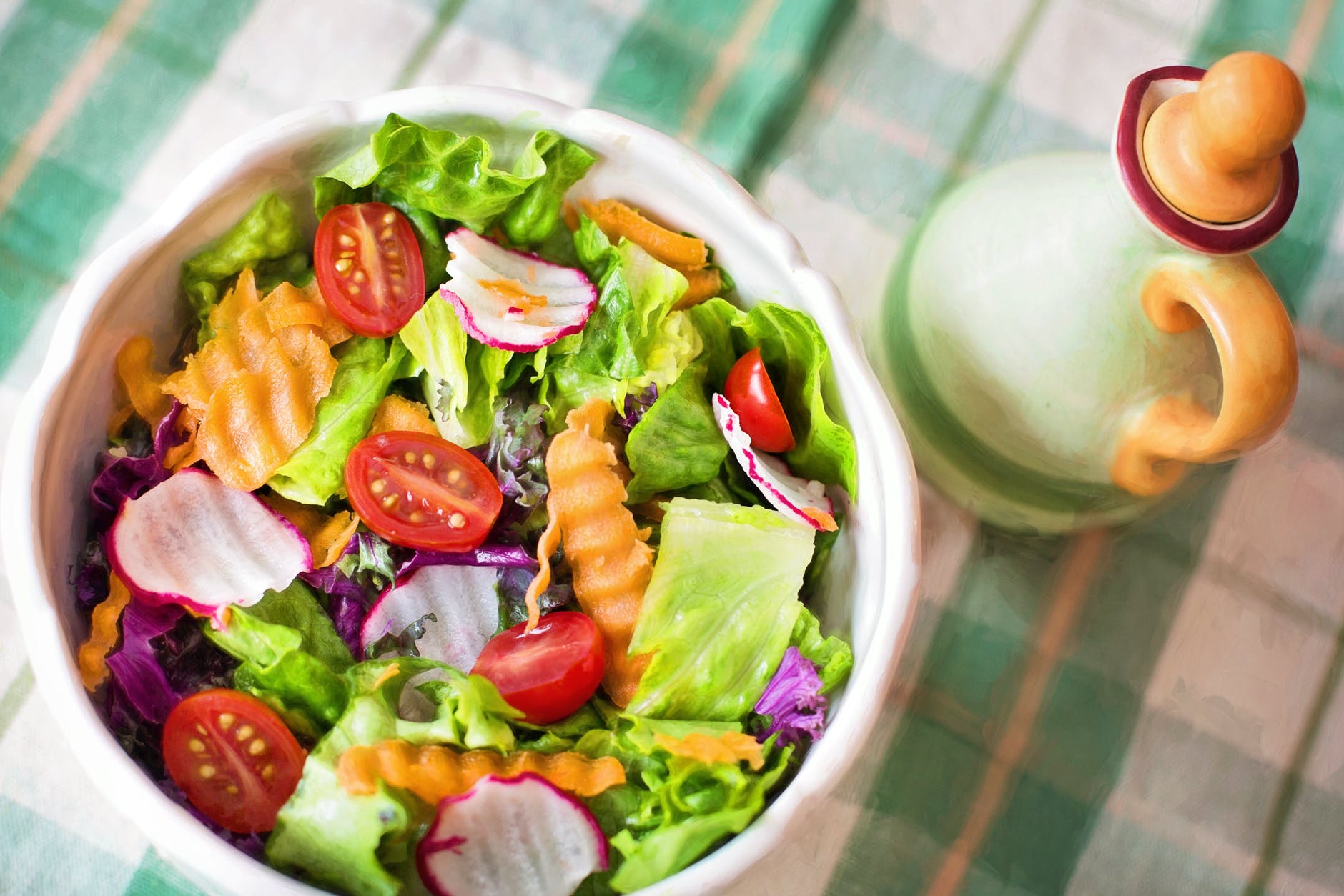
3. Levy Green Vegetables: vegetables are highly nutritious, they are very reach in vitamins and minerals. They are also very low in calories, as a result, it is very ideal for Diabetic patients. Vegetables such as, spinach, lettuce, kale and so many other leavy vegetables are very rich in vitamins and minerals especially B-complexes and Vitamin C. Some medical researches has suggested that people with Diabetes have lower Vitamin C levels than people without Diabetes and as such, they have greater Vitamin C requirements. Vitamin C act as potent for anti- oxidants and also have anti-inflammatory Properties. This implies that Diabetic patients have to increase the intake of foods rich in Vitamin C.

4. Fermented foods. Fermented foods are very essential diets for people suffering from Diabetes, this is because the fermentation processes breaks down complex carbohydrates into simpler and convertible simple sugars. Fermented foods are very low in glucose, therefore, their calories level are usually very low. So it is advisable for Diabetic patients to incorporate fermented foods into their diet. Greek yogurt, as one of the fermented foods has high level of calcium, proteins, and a special kind of fat called “conjugated linoleic acid” lower in calories compared to other types of yogurts.

5. GARLIC. garlic is one of most essential food spices. It is richly nutritious and very low in calories. Garlic contributes greatly to blood glucose management and also help to regulate low Density Cholesterol. It also helps to regulate the blood pressure. So, Diabetes patients should endeavor to include garlic in their weekly diet.

There are some foods that Diabetic patients have to try and avoid because it puts them at higher risk of more complications resulting from Diabetes mellitus. Some of such foods are listed below.

Foods that Diabetic patients must avoid.

(a). Sweetened snacks and Beverages: Diabetes patients must drastically reduce or totally avoid the intake of sweetened snacks and beverages. This is because such food products are very high in simple sugars, so, frequent consumption will have a very significant impact on the blood sugar level.

(b). Fried Foods; Fried foods are very high in Saturated and trans-fats. Regular consumption of fries could increase the risk of heart diseases. Fried potatoes chips, plantains, etc are typically high in Cholesterols and therefore should be avoided or drastically reduced by Diabetes patients.

(c). Breakfast cereals: A lot of breakfast cereals contain high amount of added sugar. So, Diabetes patients should be very mindful of this and be sure to check nutritional labels of such products before buying.

(d). ALCOHOL; People with Diabetes should minimize or if possible stop the Consumption of alcohol, this is because a series of biochemical reactions occurs when consumed leading to the breakdown of the alcoholic compounds into simple sugars which may increase the blood sugar levels.

Please, Note that these food guide is not to be used to replace medical treatments for Diabetes mellitus, so, patients should endeavor to maintain their drug prescriptions from medical doctors while one these diets. Harmonizing your daily diets with this food guide will greatly in the management and faster cure of the disease.

7 NUTRITIONAL AND HEALTH BENEFITS OF NATURAL FOOD SPICES AND SEASONINGS

Spices are seeds, fruits, roots, barks, and other parts of plants or plant substances used in cooking foods. Some of the spices are used for other purposes such as in making body creams, hair creams, pomades, herbal medicines etc. In foods, spices are mostly used by people as flavourings and colourants. Most local and continental foods are made with one or two or even more spices. This underscores the importance of spices. Use of spices in foods is almost inevitable. Hundreds of spices exist in its natural forms while some are formulated and packaged by food processors for easier accessibility to people and also to extend the shelve life of those ones that are perishable with time.

Millions of people world wide use spices in foods just to improve the taste, flavor and colour. Little did they know about the nutritional and health benefits of those spices. Although some local spices has enjoyed an age-long use as cure for some diseases and diseases symptoms such as flu, soar throat, cough, etc. from people of rural Communities in different countries of the world. Countries like China, India, and most African countries have long history of using local spices and herbs for curing diseases. Some wildly known spices are: ginger, garlic, cloves, peppers, cinnamon, Thyme, Rosemary, nutmeg, tumeric, curriander etc. In the eastern part of Nigeria, there are some locally formulated spices used in making local delicacies such as Ogiri, okpei, ehuru etc.

Spices are very essential in our diets owing to it’s nutrientional composition and health benefits. The series of compounds that spices naturally contain play a number of roles in improving the body’s nutritional and health status. The nutritional and health benefits of spices are listed below.

1. ANTI-INFLAMMATORY PROPERTIES; Series of studies has shown that most spices contain chemical compounds that help to fight against the inflammation of any parts of the body by toxins, Bacteria infections, viral infections, etc.

2. SPICES CONTAIN A LOT OF VITAMINS AND MINERALS: The rich vitamin and mineral content of spices can not be overemphasized. Most spices are naturally endowed with different vitamins such as the B-vitamins, Vitamin C and Vitamin E (Tocopherol) . Minerals includes both Macro and micro minerals such as potassium, calcium, magnesium, sodium, iodine, sulphur, iron, zinc, etc. All these vitamins and minerals plays very significant roles in our body system.

3. ANTI-BACTERIAL PROPERTIES; A lot of spices contains different chemical compounds that fight against the growth and multiplication of bacteria in our foods and body. For example, Garlic contains a very strong anti-bacterial compound known as Allicin. Allicin inhibits the growth and multiplication of bacteria in our foods. This implies that cooked foods containing garlic is less likely to sour fast as a result of the activities of spoilage Bacteria in such food. But pls note, that this is dependent on the temperature and time of storage. Also, Thyme contains Thymol which posseses similar anti microbial properties.

4. ANTI-OXIDANT PROPERTIES; Spices are rich in Phytochemicals and these compounds play significant roles inhibiting several oxidative processes in our body system which mostly results in the inflammation of parts of our body. Some of these Phytochemicals scarvenges for, and trap free Radicals in our body which causes. these inflammations and body toxicity.

5. IMMUNE SYSTEM BOOSTING PROPERTIES; Several studies has shown that a lot of spices contain various beneficial compounds that help to flush dead cells and boost the immune system so as to be up and active all the time to fight against bacterial, fungal and viral symptoms and diseases in the body system. This is the more reason why some people use spices such as Ginger, garlic, Rosemary etc. as tea.

6. REDUCTION IN BLOOD SUGAR, FATS AND CHOLESTEROLS LEVEL IN THE BODY SYSTEM. Spices such as garlic, Rosemary and Thyme contains chemical compounds that helps to reduce the blood sugar, fats and Cholesterol level. The presence of some phytochemicals in these spices in foods reduce the absorption simple sugars, fats and Cholesterol from carbohydrates and fatty food diets. Some Diabetic patients are often advised by doctors to increase the intake of spicy based tea to reduce their blood sugar levels.

7. ENHANCEMENT OF TASTE, FLAVOUR AND AROMA IN FOODS. Each of the roots, tubers and herbs which some I had mentioned earlier possess distinct compounds which impact taste, flavour and Aroma to foods when they are used to cook. For instance, it’s quite easy to detect foods that have been spiced with ginger, garlic, curry leave/powder, or nutmeg.

Spices are very important for a nutritional and healthy lifestyle, but then many of them contains a number of anti nutrients which inhibits the absorption of some other essential nutrients. For example, some leafy spices contain Phytic acid which inhibits the absorption of zinc as an essential micro nutrient in the body system. Although many of the anti nutrients are heat labile and as such are easily denatured during cooking.

HOW TO COOK FISHERMAN SOUP.

Fisherman soup is a soup delicacy that is native to southern Nigeria, especially for people of communities that are dwelling on the Riversides, islands which terminates at the Atlantic ocean. Fisherman soup is native to people of Akwa ibom State, Cross River, port Harcourt and Delta State. Overtime, fisherman soup has become a widely cooked and enjoyed soup delicacy, people from other places now cook and enjoy it. But then, many people do not know how to cook it.

Fisherman soup is a special but a bit costly delicacy. It is very rich in nutrients, this is because many of the ingredients are seafoods materials and they are very rich in nutrients such as proteins, vitamins, and minerals. The catfish, which is the major base material contains oil that is very rich in Omega-3 Fatty acids which is very helpful in the brain development of infants. In making the soup, one needs a whole lots of vital ingredients, some of these ingredients are Adjuncts, that is, they are optional. The ingredients are listed below.

INGREDIENTS REQUIRED FOR MAKING FISHERMAN SOUP

* Fresh and matured Catfish

* Prawns or Shrimps

* Periwinkles

* whelks

* Crabs (optional)

* Dry Fish

* Stock fish

* Ground or sliced scotch bonnet (fresh pepper)

* ground red pepper (optional)

* Sliced Onions

* Ground Uziza seed

* Ground Crayfish

* Palm oil.

* salt

* seasoning cubes

* Sliced or Shredded Uziza leaves.

* Yam/ cocoyam flour or paste.

* Sliced Okra (optional)

PROCEDURES FOR MAKING FISHERMAN SOUP.

The step by step procedures for making fisherman soup are listed below.

1. Wash the Catfish thoroughly to remove any dirts and slimy substances. Then cut with a sharp knife into slices.

2. Place a pot on Fire, pour in the Catfish, add 3g of the ground Uziza seed, and the sliced onion, cover it and steam for like 5mins, open and gently stir, pour in the already thoroughly washed prawns and or Shrimps, periwinkles, whelks, and crabs. Cover the pot and steam for additional 5mins. Then, Add a cup of clean water into the steamed ingredients, add 1/2 teaspoon of table salt, 2 cubes of seasoning, then add the fresh pepper and about 1-2g of red pepper. (Optional) for people who don’t enjoy much peppery foods. Start cooking the mixture for 5-7mins, bring it down and set aside.

3 Pre -cook the already soaked Dry fish and stock fish for 3mins and set aside.

4. Place a pot on fire and pour a reasonable volume of Palm oil, mildly heat the oil for few seconds. Then pour about 20-30gram of the yam flour or cocoyam flour as the case maybe, mildly fry for few seconds to aid the easy dissolution of the starch molecules to avoid lumps when water will be added. Then add a cup of water to dissolve the flour. Please note that the yam or cocoyam flour serves as a thickener in the soup. In the case of using fresh yam or cocoyam, the yam or cocoyam is cooked and pounded properly, thereafter the yam or cocoyam paste is dissolved in a reasonable quantity of boiling water containing palm oil.

5. Gently pour the catfish into the already dissolved yam flour or paste, in the case of fresh yam or cocoyam. Then pour in the stockfish and and dry fish, add the the crayfish, gently stir the whole mixture, cover the pot and cook for 5-7mins.

6. Add the sliced or shredded Uziza leaves and the Okra. Please note that addition of little quantity of okra is optional because it’s a vegetable too, so, since Uziza leaves is being added, one can decide not to add Okra. Also, some people don’t like to feel any slimy or drawing substance on their soup. so, for such people, Okra wouldn’t be part of their ingredients when making fisherman soup. After the addition of the leaves or the okra, or both, cook the soup for additional 2mins and the soup is done.

Fisherman soup can be served with any kind of swallow, depending on individual choices. It is enjoyed with pounded yam, semovita, garri, starch, etc.

#WordPrompt.

HOW TO MAKE CHICKEN SAUCE.

Chicken sauce is a special kind of sauce widely cooked and enjoyed by millions of families nowadays. It is a special kind of stew used in combination with cooked white rice, spaghetti or macaroni, depending on choices. Apart from it’s great taste, flavor, aroma and eye appeal, chicken sauce is filled with virtually all the basic nutrients such as proteins from the chicken, vitamins and minerals from the fruits and vegetables, fats and oil from the vegetable oil, a carbohydrates source from the corn flour and anti-oxidants, phytochemicals, anti-inflammatory, anti-aging, and anti -microbial components from the spices.

Chicken sauce is also a good substitute for people who do not like or enjoy tomato stew or any other type of stew. It is such a delicious, savouring and sumptuous meal. Making of chicken sauce isn’t quite tasking but then, the cooking process requires some technicalities so as to be able to make the best out of it. On this note, I will first of all list the required ingredients and thereafter, I will go into the step-by-step procedures to be followed to make that tasty chicken sauce.

INGREDIENTS REQUIRED FOR MAKING CHICKEN SAUCE.

The ingredients includes the following.

* 1kg of sliced chicken.

* Minced/grinded ginger

* Salt

*Vegetable oil.

* seasonings

* Garlic and Ginger powders

* Sliced or grated carrots

* 80-100g corn flour

* Sliced Onions

* Curry powder

* Thyme

Now that I have listed the ingredients, the next thing is to list out the step by step procedures. Recall that I said earlier that making very tasty chicken sauce involves some technicalities, there for, attention to details is highly necessary.

STEP-BY-STEP PROCEDURES FOR MAKING SAUCE

(1) Thoroughly wash the already sliced Chicken, keep it aside, wash and slice other ingredients such as carrots, Onions, pepper etc and keep in separate plates.

(2) Place a pot on fire, pour in the Chicken, add a reasonable quantity of thyme, garlic and some seasonings, cover the pot properly and parboil for 5-7mins, stir with spoon, cover it again and parboil for additional 3-5mins. Then add a cup of very clean water and boil the meat for atleast 10mins. Bring down the boiled meat.

(3). Place frying pan o or the pot you will be using for the final cooking on fire. Add a little volume of vegetable oil on the pan or pot. Pour in the corn flour and stir for 5mins. This is to ensure that the flour doesn’t form lumps or cake by the time you add water. Alternatively, rather than burning the flour in the process of trying to fry it, you can dissolve the corn flour with little quantity of corn flour. Pour in the the cooked chicken with the water and stir.

(4). Use a frying pan to mildly fry the sliced Onions and carrots for 3mins. Pour into the cooking pot containing the chicken and stir. Add the sliced/grinded green and red pepper, stir and cover the pot for 2mins. Add like 4g of curry powder, Add salt to taste and cover pot, cook for additional 7mins. Open the pot and taste the sauce for any possible addition of some key seasonings. If there is, add a pinch of them and cook for additional 1-2mins. Then the sauce is ready to eat eaten in combination with white rice, spaghetti, or macaroni.

Chicken sauce can also be used for any other purpose as the cook deems fit.

FOOD GUIDE FOR STOMACH ULCER PATIENTS.

Stomach ulcer has become a global health challenge. A lot of people are suffering from chronic stomach ulcer, more unfortunate is the fact that often times, they don’t know what kind of food to be eating so that it doesn’t increase their pains or make healing more complicate. Doctors and health officers give different advise to patients on the kind of foods to eat and the one they shouldn’t eat, sometimes, the patients get more confused, and other times, for some people, their body also react negatively to even the ones their doctor recommend they should be eating.

There has been a lot of perception about the true causes of stomach ulcer, some believe that it is caused by hunger, i.e inability of people to feed properly or at the right time, thereby causing the digestive worms in the stomach to start biting on the walls of the stomach and gradually inflicts injuries on the stomach walls. It has also been said that stress often causes stomach Ulcer, but there hasn’t been reasonable scientific evidences to back up these ascertions. For the sake of clarity, I will go ahead to define stomach ulcer, the true causes and then list a very helpful food guide, for people suffering from Stomach Ulcer which will help during the treatment of the disease or that will aid it’s management.

Definition of Stomach Ulcer.

Stomach Ulcer is defined as a painful sore in the the stomach lining. It is also refered to as gastric Ucler. It is a form of peptic ulcer because it affects both the linings of the stomach and the small intestine. Stomach Ulcer isn’t actually caused by hunger or stress as a lot of people especially as Africans speculates. It has medically been proven to be caused by a certain Gram +ve Bacteria known as Halicobacter Pyroli. This bacteria gets into the body through the foods that are not thoroughly washed and cleaned before consumption.

Another proven cause of stomach ulcer is habitual intake of anti-inflammatory drugs, some of these drugs contains some chemical compounds that are capable of inflicting sores on the stomach linings. Therefore, it is safe to say that hunger parsay, doesn’t cause stomach Ulcer, nevertheless, Those who already have the bacteria in their system and do not feed properly or at irregular times are predisposed to suffering stomach ulcer because that will give the micro organisms the chance to begin to attack the walls of the stomach each time they have nothing to feed on. Some of the symptoms associated with stomach Ulcer are: pains in the stomach, heart burn, nausea and vomiting, loss of Appetite, etc. Having explained all these, it is then imperative to list various helpful foods for Ulcer patients. Below are some of those foods and the most appropriate times to take them.

HELPFUL FOODS FOR STOMACH ULCER PATIENTS.

(1) Probiotics, Eg. Probiotic yoghurt; This is the type of yoghurt that contains life beneficial micro organisms in it. Probiotic yoghurts contains a particular strain of Lactobacillus Species and Streptococcus species or a strain of Saccharomyces species. These micro organisms are capable of inhibiting the growth and multiplication of the disease-causing H. pylori in the stomach and small intestine. This is because of their capability of converting the milk sugar (lactose) into lactic acids, Thereby making the medium acidic which greatly suppresses the activities of the Halicobacter Pylori in the stomach. Therefore, patients should endeavor to take glass of Probiotics first thing in the morning during treatments of stomach Ulcer. It is very helpful. But then, this might not work if the ulcer has gotten to it’s very chronic stage or if a patient has lactose allergies.

(2). Patients should improve on the consumption of leavy vegetable, and other vegetables very rich in fibre, such as, pumpkins, cabbages, cauliflower, etc. This is very essential in the management of Stomach Ulcer.

(3.) Fermented foods; A lot of fermented foods contains some beneficial micro organisms especially of the saccharomyces spp. It’s presence in the foods inhibits the free activities of the Ulcer causing bacteria. Some of such fermented foods are Paps, yoghurts, saukrauts , cheese etc.

(4) Consumption of fruits less acidic fruits such as Banana, avocado peas, watermelon, carrots, berries and cucumbers especially in smoothies form. This greatly reduce the heart burns often experienced by some patients.

(5). Reduction in the intake of spicy foods or use of some spices during the treatment of stomach Ulcer. In as much as spices are very beneficial to our health apart from the taste, Flavour and aroma it add to our foods, some spicies such as pepper, ginger and garlic contains some chemical compounds that is capable of instigating what is called “Acid Reflux” in the stomach of some Stomach Ulcer patients which is the reason for the severe pains and heart burns that the often experience.

Please note that these food tips cannot not be used to replace treatments for patient(s) diagnosed with stomach Ulcer, but following this food tips/guildlines during the treatment will greatly help in arresting and eliminating the ailment.

#WordPrompt.

ROLES OF CHOLESTEROL IN THE BODY.

What have you heard about Cholesterols? Doctors have told you that the presence of Cholesterols in your body causes heart diseases right? Well I have heard and read about that a lot of times too. But then, as a food Science and Technologist, and also from nutrientional stand point, I will be letting you know the true position of Cholesterols and their roles in the body.

Contrary to what have become a public knowledge and/or perception about cholesterol in our body system, cholesterol plays a good number of roles in our body. Before I digress into the topic, it is important I define cholesterol.

DEFINITION OF CHOLESTEROL: cholesterol is a fatty acid based chemical compound found in the tissues of plants and animals. It is one of the major components of plants or animal lipids. It is waxy in nature and insoluble and/or immiscible in liquids such as water or blood. As a result of this, it is carried into the blood by the lipoproteins (lipids attached in one end to protein compounds in food materials). Cholesterols have overtime been regarded as very unhealthy to the body due to the fact that it causes some coronary heart diseases but this isn’t absolutely true, those who insinuates this, mostly medical practionars when giving health advice to patients fail to recognize which of the type of cholesterol that is harmful to the body especially to the heart and the arteries, hence, the generalization that cholesterols are harmful to the body system.

To avoid the needless assumption about cholesterols, I will also be outlining the two types of Cholesterol and how they affect our body system.

CLASSIFICATION OF CHOLESTEROL:

There are two types of cholesterol, namely. (1). Low Density cholesterol.( L-D-C) (2). High Density cholesterol. ( H-D-C). Having outlined the two types of cholesterol, let me then go ahead to explain the two forms. From the names above, a layman reasoning would be that “Low Density cholesterol” is the one that is good to the body while “High Density cholesterol” isn’t but it isn’t so at all. The L-D-C or steroids as it is often called in chemistry terms is very harmful to the hearth , it causes a disease called atherosclerosis, a disease condition that results from the deposition of high amount of L-D-C on the walls of the arteries thereby clogging the arteries from free flow of blood. The High Density cholesterol H-D-F or steroid is the one that is very beneficial to body in a lot of ways. From the Forgoing, I will be listing the benefits of High Density cholesterol to the body below.

ROLES OF HIGH- DENSITY- CHOLESTEROL IN THE BODY

1. It regulates membrane fluidity

2. It functions a precursor molecules in various metabolic pathways. Such as Glycolysis part way, and the creb’s cycle.

3. High Density cholesterol help in the production of some body hormones such as Oestrogens and also vitamins such as Vitamin-D in the body system.

4. It helps to filter away the low Density cholesterol in the body system.

From the above list of roles that high Density cholesterol play, it can then be seen that cholesterol is very vital in the body system, though the H-D-C. It is also pertinent to know that our body, through the liver synthesizes cholesterols on their own for it’s activities and as such, we must regulate the consumption of Food products that is high in fatty acids. Foods rich in Saturated fats such as Deep fried foods with highly saturated fats and trans-fats are major sources of Low Density cholesterol and should be avoided or minimized. It is also very important that vegetable fats and oil processors specify in the labels of their products, each amount of the two types of cholesterols instead of the ” Cholesterol free” inscriptions that they write on the label. The should target and Remove only the L-D-C in those products. Medical practionars should note the difference between the two Cholesterols and guide patients appropriately.

There are also other ways to regulate the amount of Cholesterols in our, consumption of foods rich in phytochemicals such as saponins helps to regulate the amount of Cholesterols in our blood. Example of food plants rich in saponins are bitter leave, pumpkins, etc. Having garlic more often in our foods also does the magic through the help of a compound known as Allicin, which also have anti microbial effects.

#WordPrompt.

SIMPLE TIPS TO MAKING TASTY LOCAL AND CONTINENTAL FOODS.

Cooking or making very tasty foods is quite easy for some people, but to many others, it’s a very heculian task. A whole lot of people find cooking so hectic and also very overwhelming. This explains why they prefer to stock their refrigerators with cooked foods from restaurants and fast food joints. They are often scared of how the food would taste if they are to prepare it themselves. They do not just want to go through the rigorous processes and stress that is involved, only to end up cooking what the taste is the opposite of what they expect.

Sincerely speaking, cooking or making of tasty meals is quite easy, it isn’t hard, it just requires the cook to get some basic tips and master it. Cooking is an art, and also a Science, so, to know how to cook tasty meals, you must explore the elements from both ends. Cooking is a very technical and systematic task, but millions of people don’t even know this, one thing is to cook because you are hungry, another thing is to cook a food that will have you become proud of yourself while eating, or when you get complimented by your family members, visitors, friends or colleagues for your cooking prowess when you serve them the food you cooked.

Some people’s foods only taste nice by chance, that is, they are inconsistent in their cooking, for instance, they could cook let’s say fried rice today and the taste could great, but when next they cook that same rice, of thesame ingredients and volume of rice, the taste and aroma will be horrible. Cooking requires so much attention to details, wether you are cooking for personal or family consumption, or you are cooking for business or looking forward to running a restaurant, fast food, or catering business, then you must master the art and Science of cooking tasty, delicious foods with high nutritional value.

Below are the simple tips to cooking or making tasty foods

(1). Know your base material and the active ingredients; For you to cook meals that is very delicious you must know very well, the base material, for example, if you want to cook rice, you have to atleast know a bit of the variety of rice grain you are cooking, that will help you to know the techniques to apply. Depending on the kind of rice you want to cook, knowing the right ingredients to add and when to add them will do you a lot good.

(2). Pay attention to measurements; A lot of people don’t consider this, be it the Base food material or the ingredients, measurements is very important. Some people do not consider the quantity of their base material before adding ingredients, they just add the ingredients as the their spirit leads. That is so wrong. It is good to get some measurements tools in your kitchen, it must not be scientifically calibrated instruments, it could be some local materials like cups, teaspoons, small plates, small plastics, etc. Be sure to pay very much attention to details in terms of measurements when adding your ingredients, if not, you will end up cooking foods that are either deficient or excess in some key ingredients which will definitely affect the taste and aroma of such foods, even the nutrients.

(3). Maintain steady temperature during cooking; this is very important in a lot of ways, cooking at fluctuating temperature of your source of heat badly affects both the taste, texture, Aroma and even eye appeal of your foods. If the kind of food you want to cook requires mild heat, be sure to maintain it, if you cook with excessive heat, there are high chances of the Aroma and some nutrients vapourizing off because of the volatile nature of some nutrients, especially Vitamins and phytochemicals. For foods that requires baking, frying, Oven-drying, do not do that excessively or allow the amount of heat to increase or decrease beyond or below optimum, it will affect the overall taste of the cooked meal.

(4) Be physically, psychologically and mentally ready before you start cooking; just like I pointed earlier, cooking as an art so, before you begin your cooking, be sure to be on a sound mind, if not, you will cook what you will not like to even taste. Prepare your mind when you want to cook, put any other thing bordering you behind so you concentrate and make a very decent and tasty food. Oftentimes, some people forget to add a certain ingredients while cooking because they are distracted by something, or they will add them in access. Therefore, while cooking, ensure that you concentrate maximally, get your specifications right, monitor what you are cooking at the shortest intervals, watch the heat flows, check for water absorption rate, by so doing, your food will come out very tasty, delicious and sumptuous.

(5) Do not use any ingredient you aren’t familiar with in terms usefulness to the particular food you want to cook or the purpose of using it, even when to add it and the volume to add. If you must, taste-run it first with a tiny quantity of food so as to be sure it is something that is worth using. Better still, make simple research about it.

(6). Maintain absolute cleanliness while cooking; This very important so as to avoid contaminating your foods with microbes which could lead to food borne diseases or food poisoning. Wash your hands at intervals with clean water.

(7) make sure not to use expired ingredients or base materials that are already on their spoilage stage, aside the health implications of this, which is even of primary concern, the taste of the food will be terribly bad.

If all these listed above is put into practice be rest assured that you will be making meals of awesomely great taste and sumptuousness. You will also definitely achieve consistency in terms of the taste of your foods.

#WordPrompt.

GENETICALLY MODIFIED FOOD PRODUCTS AND YOUR HEALTH.

Since the beginning of science which is as old as man, science kept evolving from generation to generation with a lot of researches, analysis, hypothesis, propositions and postulations. Science didn’t die with the earliest philosophers and scientists like the Socrates, John Dalton, Albert Einstein, Isaac Newton, Robert Hooke, etc, there has has always been follow ups which has led to a lot of innovations and discoveries in a quest to make life easier and more meaningful through modern theories and inventions.

Over the years, there has been a whole lot of misconceptions about genetically modified food products which is a product of scientific researches and hypothesis. Many people all around the world have been griped with biases about the consumption of genetically modified foods reasons according to them being that it is unhealthy owing to their carcinogenic nature. Genetically modified food products haven’t enjoyed wide acceptance across the countries of the world owing to these speculations. Sadly those who think it’s unhealthy do not actually have facts about it, it’s been mostly propaganda based. There also haven’t been concrete proves from scientific researches and analysis on those products to prove that they are carcinogenic.

Before progressing further into the topic, I will define genetically modified foods and what gave rise to such food products for all intents and purposes. DEFINITION OF GENETICALLY MODIFIED FOOD PRODUCTS. Genetically modified foods are defined as foods gotten through the alteration of the DNA in the cells of food plants and animals. This the simplest definition. It is achieved through various Technics such as breeding, mutation breeding, etc. This is done to either remove or introduce new genetic traits into the DNA of the parent food plants or animals. A lot of reasons gave rise to genetic modifications of foods and these reasons cannot be over emphasized. Like I said earlier, science since it’s beginning had continued to experience innovations giving rise to the modern day science with lots of inventions which is obvious and even inevitable. REASONS FOR GENETIC MODIFICATIONS OF FOOD MATERIALS. (1) To improve on the nutrients of food plants and animals. (2) To remove undesired traits or to introduce desired traits. (3) To produce food plants and animals with high/fast growth rate. (4) To produce food plants and animals that are highly resistant to pest and diseases. (5) To produce food plants that has delay in ripening properties. (6) To produce food plants and animals with high yield. (7) To produce food plants and animals that are more weather and climate friendly owing to the persistent climate change due to the activities of people across different countries of the world.

With the reasons listed above, it should be clearer to people that the benefits of genetically modified foods are very important with enormous advantages, the disadvantages, if there is any are so insignificant, provided that during the modifying stage, there isn’t any introduction of chemical compounds that is not approved by Food and Agricultural regulatory bodies which vary from country to country. For more than two decades now, hunger and starvation has been one of the greatest challenges ravaging the world, these led to the Food and Agricultural Organization (FAO) launching it’s millennium Development goals fight hunger, hidden hunger and starvation. The efforts has yielded reasonable results in some countries, but in Africa, reasonable results haven’t been achieved owing to different challenges such as post harvest losses, poor processing, lack of Agricultural incentives, Government policies and so on. If the fight against against hunger all around the world will ever produce reasonable results, then genetic modifications of food products must be embraced whole heartedly but Government will have to do a lot of jobs to regulate the processes to ensure it conforms to set standards and specifications. Genetically modified foods is inevitable, just as other aspects of science and technology keeps experiencing innovations, so as the Food and Agricultural sector. If people keep resenting on genetically modified foods due to perceived unhealthy characteristics of such, then the world should be prepared to experience more hunger and starvation. The so called “natural and unprocessed foods” that many medical practioners and people with tiny knowledge of foods and Sciences and Technology behind it’s production and processing advocate comes with loads of challenges. Some of such foods materials contain toxicants, and inhibitors that resists the absorption certain nutrients by the body, only reasonable form of processing or modifications can remove that thereby making those nutrients absorbable by the body.

THE RUSSIA-UKRAINE WAR AND ITS NEGATIVE EFFECT ON SUPPLY OF WHEAT GLOBALLY.

It is no longer news that for close to two weeks now if not more, Russia and Ukraine have been engaging in a very fierce war. Worse still, the war isn’t looking like it will end soon. The adverse effects of crisis and wars between countries of the world can never be overemphasized, apart from loss of lives and properties, it grounds international trade and investments between the warring countries, the surrounding countries and even beyond. Aside that, it also badly affect Agricultural activities which Results in scarcity of certain raw food commodities and even processed ones. This very often results to serious hunger, starvation, food inflation, food insecurity and many more problems.

Russia as a country is one of the biggest exporters of wheat globally. Wheat is one of the most important grains that constitute greater % of edible food commodities both humans and as one of the constituents of animal feeds(bye products of wheat are often used in making animals feeds). The war that just broke out has over some couple of days made it very difficult for Russia to keep exporting wheat grains to countries of the world where it has always been in use from the production of different processed foods. The adverse effects of this Development is hitting harder on both the nutrition and the economy of countries across the globe.

The Director general of world Trade organization (WTO) Mrs Ngọzi okonjo-iweala, in a statement on the 1st of March 2022 decried the sudden increase in wheat and wheat products all around the world as a result of the war. She also emphasized on its ugly bite on the global economy at the moment and how the sudden rise in price is currently effecting average people and low income earners all around the world. Wheat grains are classified into two, the Hard-wheat and soft-wheat, different countries use either of these two wheat grains in the production of different products especially a product like bread.

In Nigeria, the scarcity of wheat grains are already biting hard, a lot of food processing industries who use wheat grains as her base material for the production of different packaged products have in the last couple of days sent notifications to their branches and partners, including the general public on the ugly situation, hence the possible price adjustments across a wide variety of products. The Food processing companies in the country use wheat grains in the production of Bread, spaghetti, noodles, cakes, cookies, biscuits, shortcakes, semovita, whole wheat meal, egg rolls, meat pie, pancakes, sharwama, etc. Even before the war broke out, there have been general food scarcity and hyper food inflation in the country especially on wheat based products as listed above due to exchange rates of Naira to the US dollars. Since 2016 till date, the prices of food products in Nigeria had kept increasing marginally, most especially wheat based products. With this war, it’s going to get worse, the prices of these wheat based products is sadly expected get even higher and it’s definitely going to affect a great deal, the nutrition and healthy feeding of greater percentage of the world’s population because wheat grains do not really have close substitute owing to it’s high gluten contents which isn’t like that in other grains.

Hopefully, something will be urgently done by the international community to quench the war so as to avert the looming global food insecurity which the scarcity of this wheat grains is breeding owing to the fact that Russia as a country is the biggest exporters of wheat grains all around the world.

Design a site like this with WordPress.com
Get started